
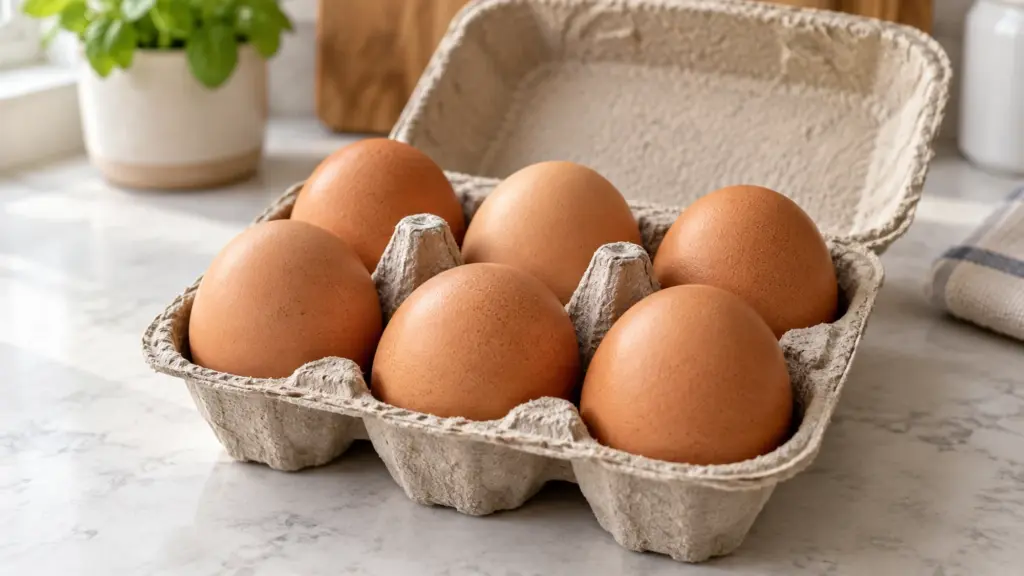
You reach for the last eggs in the carton, notice the date, and wonder whether breakfast needs a new plan. If you want to know how to tell if eggs are bad, start with their storage history—not a glass of water. A floating egg may be older; a sinking egg is not a promise of safety.
Discard eggs with an off odor or obvious spoilage, and do not use a home freshness test to overrule unsafe storage. Even clean, uncracked eggs can contain Salmonella. Keep eggs cold and cook them properly; appearance and smell cannot rule out harmful bacteria.
I’d rather make this a short decision than a kitchen experiment. The useful distinction is between quality, obvious spoilage and contamination you cannot see. Those are three different questions, even when the same egg is involved.
How to Tell If Eggs Are Bad: Start With What You Know
Check where the eggs came from, whether they stayed refrigerated and whether their shells are intact. FDA’s egg-safety guidance recommends buying refrigerated eggs with clean, uncracked shells. This guide follows U.S. handling advice for refrigerated shell eggs; it is not a substitute for local guidance on differently processed eggs.
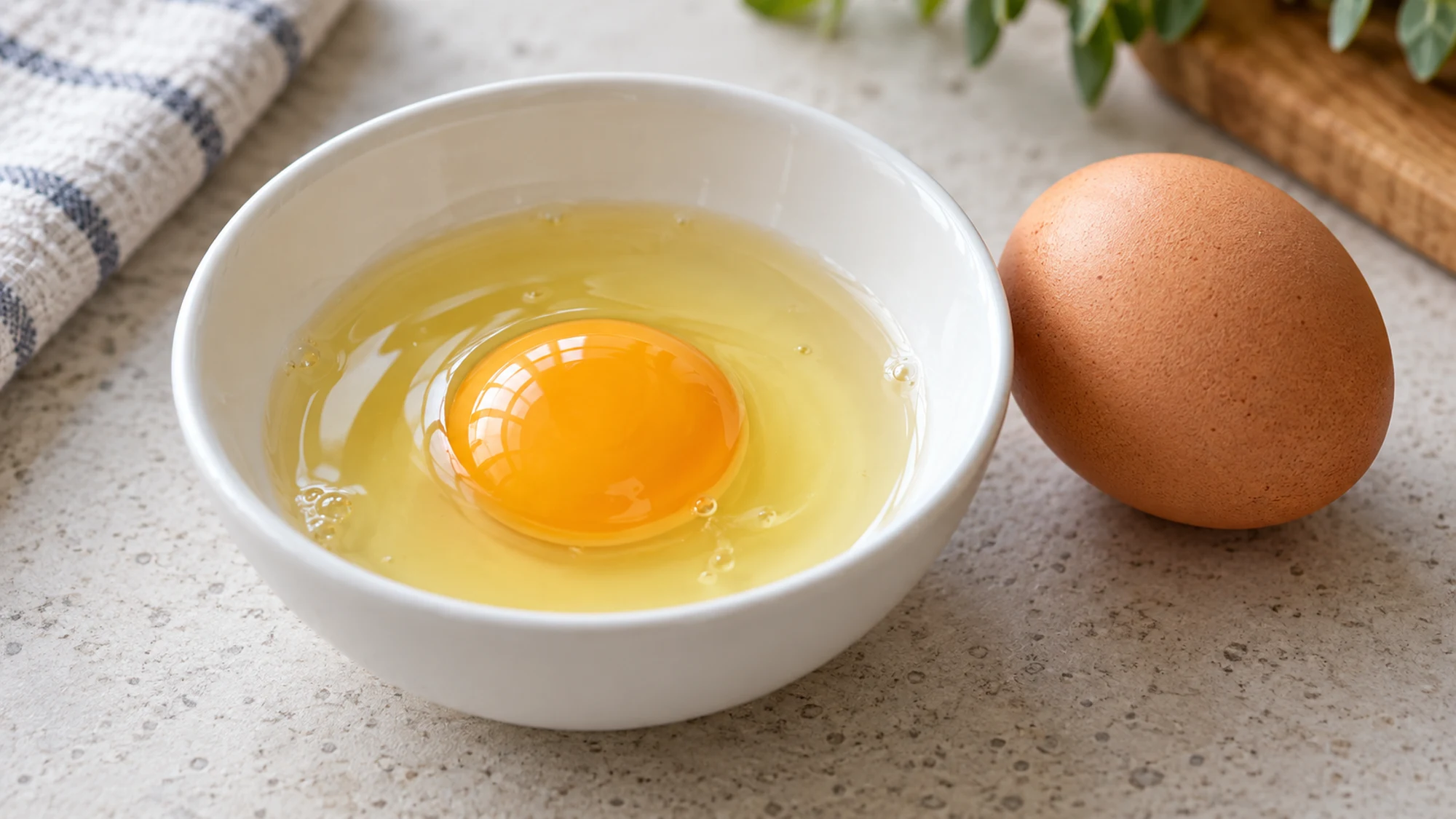
Before adding an egg to a mixing bowl, crack it into a separate small bowl. An unpleasant odor or clearly abnormal appearance is a reason to discard it, not to taste a little and decide. Keeping it separate also means one suspect egg does not get mixed through everything else.
- If you cannot establish safe storage, do not try to rescue the decision with floating, sniffing or extra cooking.
- Do not buy a carton containing cracked eggs. Inspect the carton before putting it in your basket.
- Keep the original packaging so dates and product details remain available if you need to check a recall.
What the Float Test Can—and Cannot—Tell You
An egg contains an air cell that becomes larger as it ages. Once that air pocket provides enough buoyancy, the egg floats. USDA explains that floating indicates reduced quality, not automatic spoilage. The test is not a detector for Salmonella.
A thin white can also reflect age rather than a yes-or-no safety result. I would put much more weight on known handling than on how neatly a yolk sits. Do not turn a freshness observation into permission to eat an egg whose refrigeration history is uncertain.
| Observation | What it tells you | Practical response |
|---|---|---|
| Floats in water | Air cell is large; egg is older | Do not treat it as a safety verdict. |
| Off odor after cracking | A spoilage warning | Discard; never taste to check. |
| Clean, intact shell | No visible shell damage | Still handle and cook safely. |
| Thin, spreading white | Quality may have declined | Review storage; it cannot rule out bacteria. |
| Uncertain refrigeration | An important safety gap | Do not rely on a float test to resolve it. |
Let Storage History Make the Decision
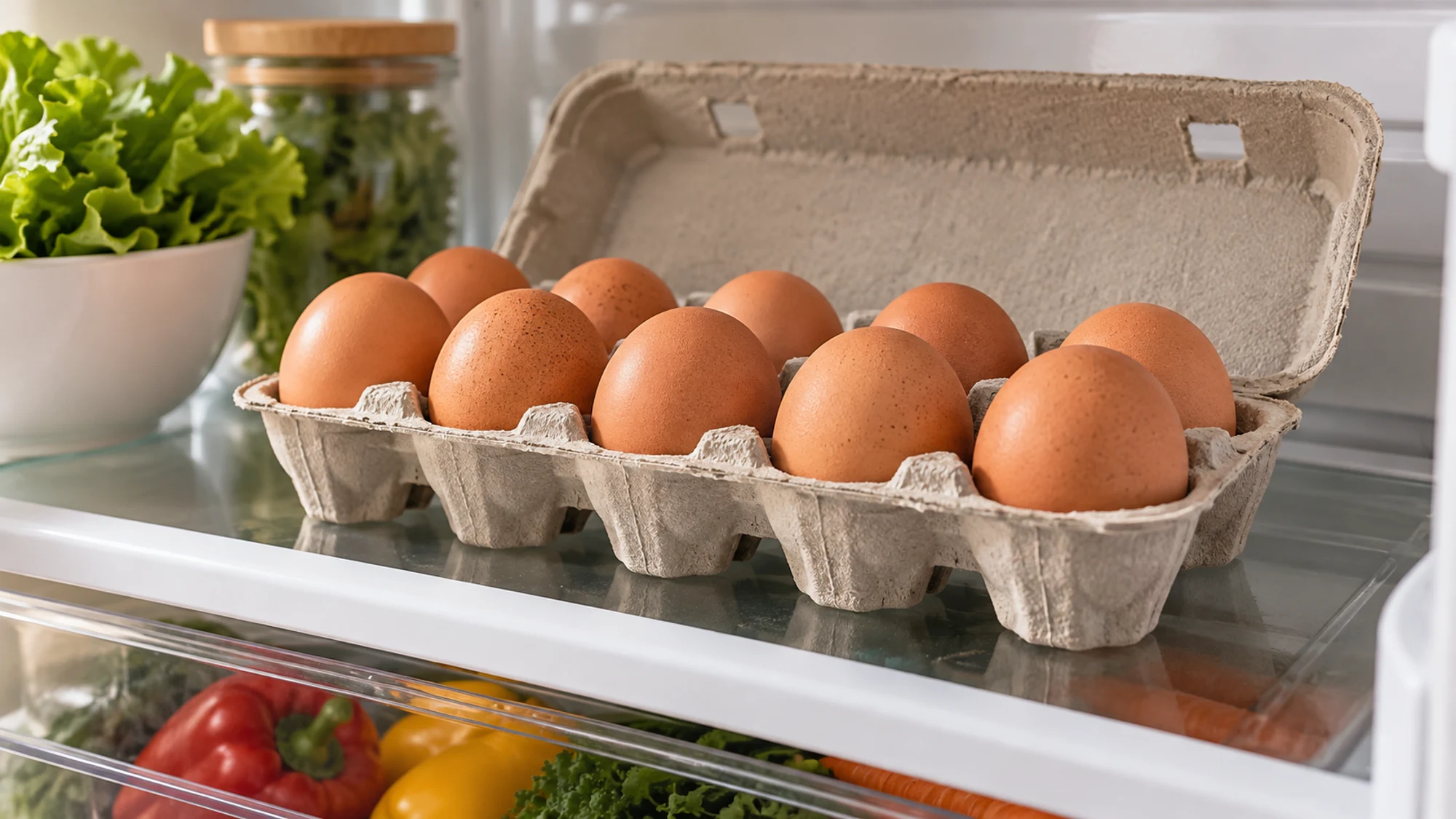
Keep eggs in their carton in a refrigerator at 40°F (4°C) or below. FoodSafety.gov’s cold-storage chart lists three to five weeks for raw shell eggs under proper refrigeration; FDA suggests using them within three weeks for best quality. Neither period guarantees safety after poor handling.
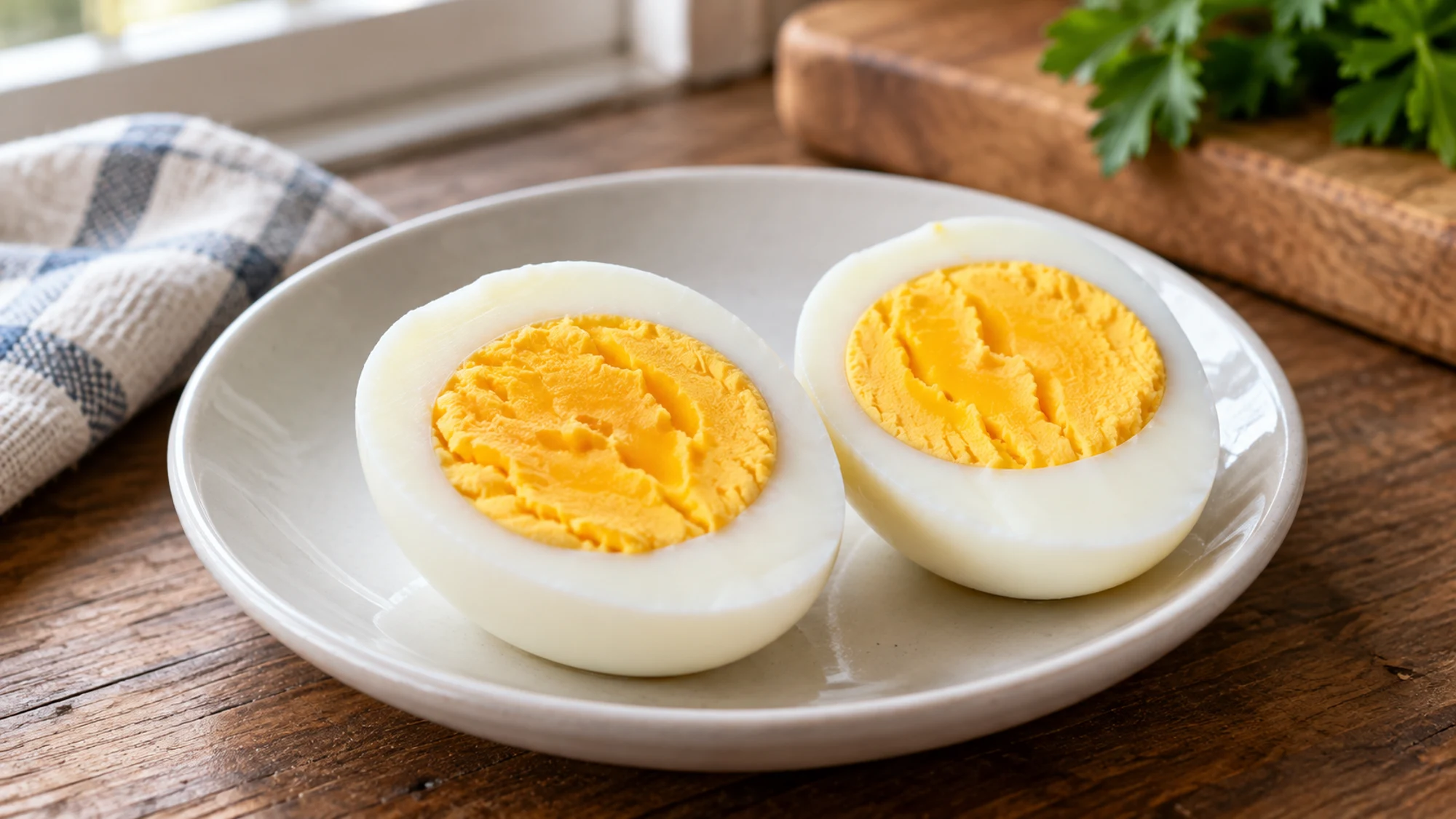
- Hard-cooked eggs: refrigerate and use within one week, whether peeled or still in their shells.
- Cooked egg dishes: refrigerate promptly and use within three to four days.
- Label leftovers with the cooking date. A quick note is more dependable than remembering which weekend you made them.
A storage limit belongs with its conditions. A carton date, a normal smell or a sinking egg cannot erase time spent too warm.
Handle and Cook Eggs Safely
Freshness is not the only concern once an egg leaves its shell. Colorado State University’s egg overview explains that contamination can involve the interior as well as the shell. Wash hands and clean utensils and surfaces after contact with raw eggs; do not transfer raw egg residue to ready-to-eat food.
- Cook shell eggs until both yolks and whites are firm. Cook egg dishes to 160°F (71°C), checking with a food thermometer.
- Use pasteurized eggs or pasteurized egg products for preparations served raw or undercooked.
- Do not leave cooked eggs or egg dishes out longer than two hours, or one hour above 90°F (32°C).
For a meal that uses several eggs, our breakfast casserole is a reminder to check the center rather than judge doneness by a golden top. For nutrition rather than storage, see how much protein is in an egg.
Bottom Line
Knowing how to tell if eggs are bad means recognizing the limits of what you can see. Reject obvious spoilage, respect refrigeration history and cook safely. I’d choose that practical routine over a float-test shortcut every time.