
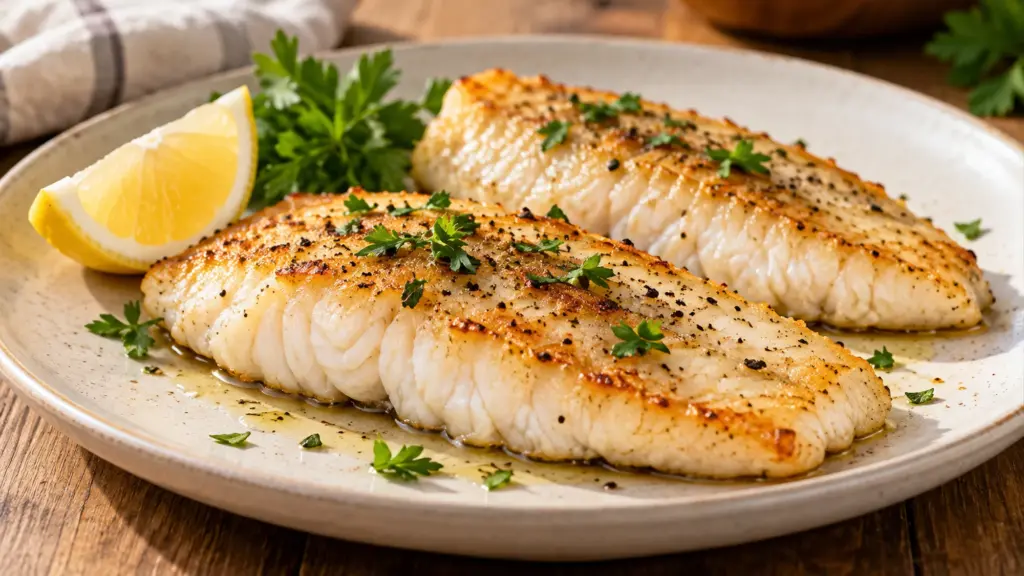
A bag of swai fish can look like a straightforward dinner until you turn it over: plain fillets, added ingredients, different portion sizes and thawing instructions all deserve a glance. The useful question is not whether the name sounds familiar, but whether this particular package suits your meal.
Swai fish is a mild white fish that works well with simple seasonings. Choose clearly labeled fillets, follow the package’s handling directions and cook the thickest part to 145°F (63°C).
What is swai fish?
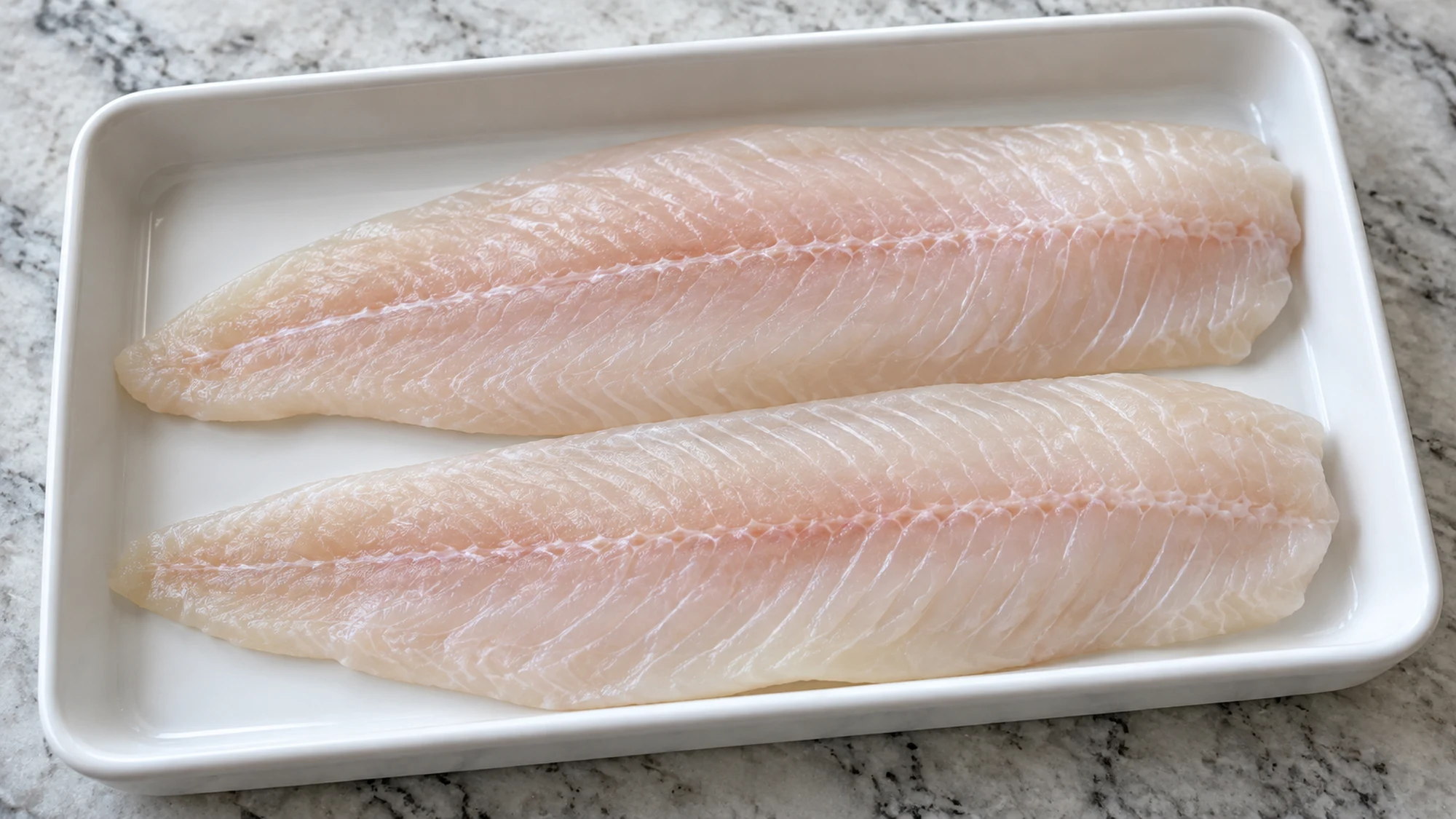
Swai is a freshwater fish commonly sold as skinless fillets. You may also encounter pangasius terminology on packaging; names can be confusing, so use the specific product label rather than treating every white fish as interchangeable. The FDA identifies swai among Siluriformes fish, whose primary U.S. regulatory oversight belongs to USDA’s Food Safety and Inspection Service.
- Flavor: expect a mild starting point rather than the pronounced richness of an oily fish. Lemon, garlic, pepper or a modest spoonful of sauce can provide contrast.
- Texture: fillets are useful when you want tender flakes, not a sturdy steak to turn repeatedly on a grill.
- Buying judgment: the species name alone cannot tell you a specific package’s handling history, ingredient list or nutritional composition.
I’d choose swai for a meal where the seasoning and sides share the attention. It does not need an elaborate disguise; it needs a clear plan for how you want to serve it.
Read the swai fish package before choosing
Start with the ingredient list and Nutrition Facts panel. For a concrete example, Aqua Star’s swai fillets list fish plus sodium tripolyphosphate for moisture retention; that is information about that product, not every swai fillet. A plain-looking piece of fish is not necessarily a single-ingredient purchase.
| Product | Label check | Kitchen implication |
|---|---|---|
| Plain frozen fillets | Ingredients, serving weight and thawing directions | Flexible seasoning; compare similarly sized portions |
| Seasoned fillets | Sodium and added ingredients | Taste accompanying sauces before adding more salt |
| Breaded fish | Coating allergens and whether raw or fully cooked | Follow that product’s cooking directions |
| Vacuum-packed portions | Instructions for opening the packaging before thawing | Read before moving fish to the refrigerator |
The FDA’s seafood buying guidance recommends intact frozen packaging and fish that remains firmly frozen. Avoid torn packages and signs of thawing. A readable label matters more to me than a reassuring phrase on the front: it gives you something specific to check.
Thaw and cook with the fillet in mind
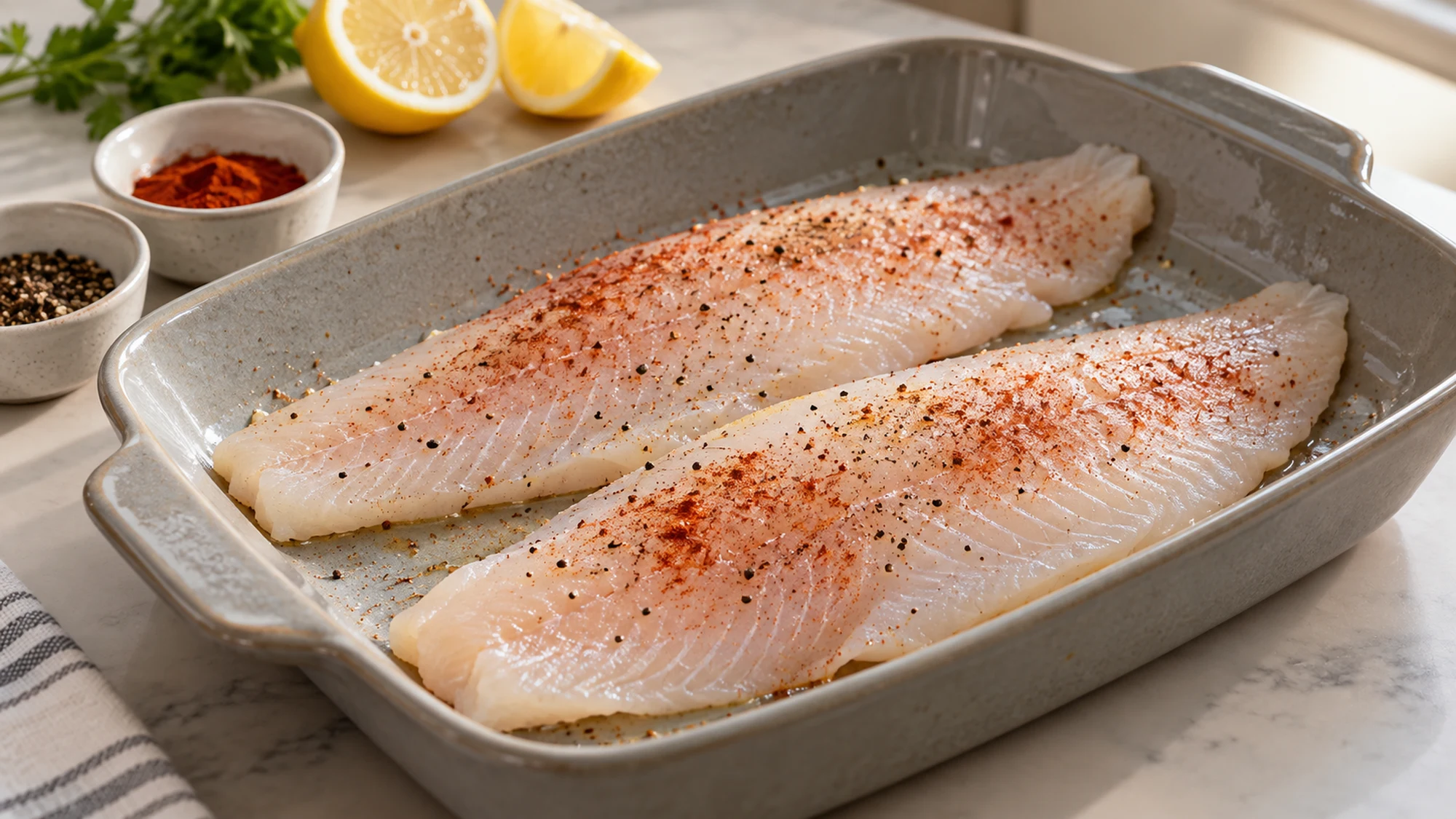
Keep seafood refrigerated at 40°F (4°C) or below and thaw it in the refrigerator rather than on the counter. Follow vacuum-pack instructions, including opening or removing packaging when directed. The FDA recommends 145°F (63°C) for cooked seafood; check the thickest section with a food thermometer.
- Prepare the surface: pat thawed fillets dry before seasoning so excess water does not dilute the coating.
- Match the pieces: arrange similar thicknesses together and check thin ends early. A timer cannot account for every fillet.
- Handle gently: use a broad spatula and avoid unnecessary turns once the flesh becomes delicate.
- Keep equipment separate: wash hands, utensils and surfaces after raw fish, and use a clean plate for the cooked portion.
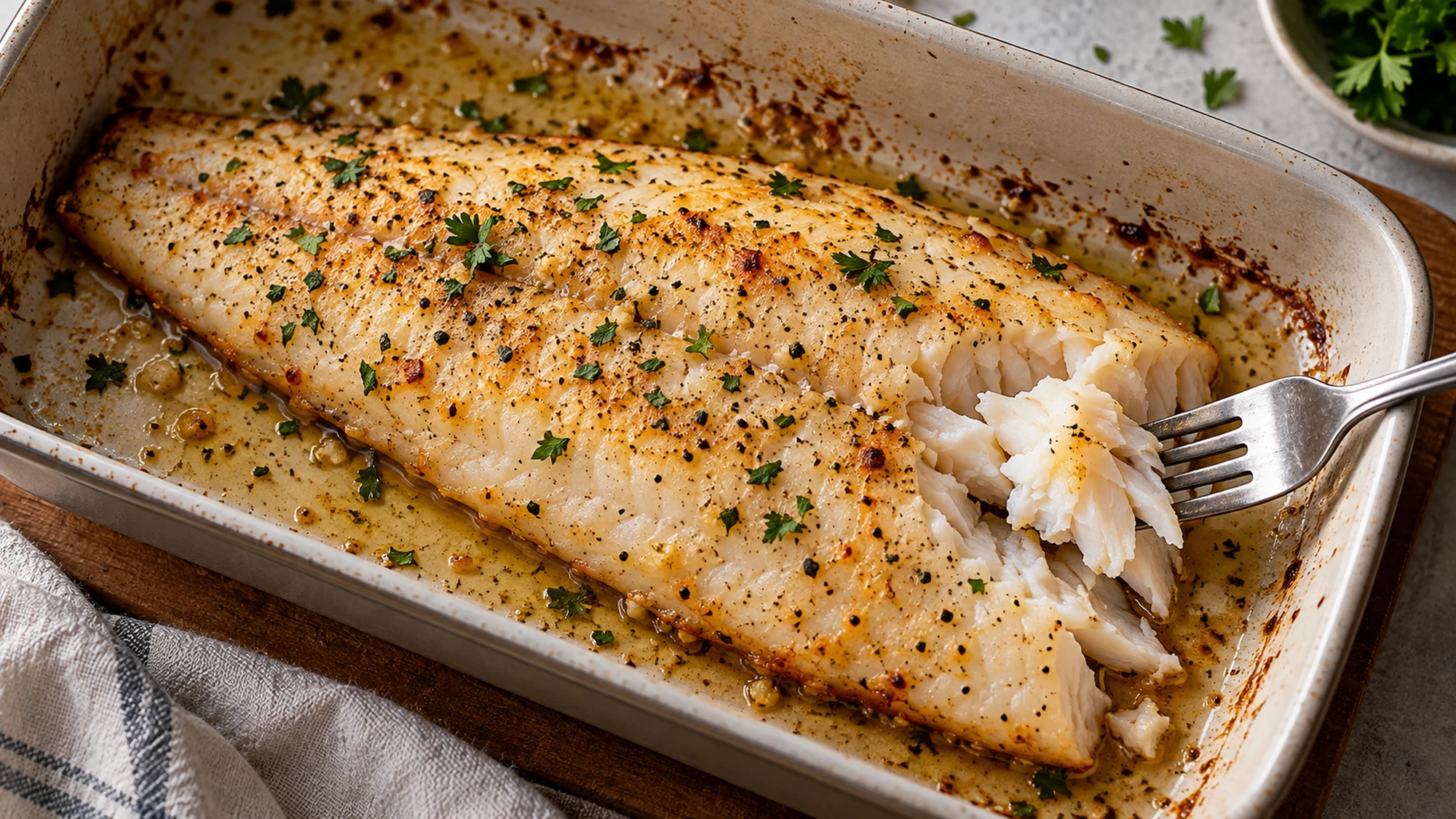
Use the package to guide preparation and a thermometer to judge doneness. Flaking is a useful texture cue, not a substitute for checking the center.
Put nutrition and serving choices in perspective
A fish label cannot describe the whole meal. Compare protein, sodium and calories using the same serving weight, and check whether the listed values describe the product as sold or after preparation. Breaded portions, sauces and cooking fat change that comparison; a number from an unrelated brand is not a reliable substitute.
- For a simple plate: pair the fish with rice or potatoes and vegetables, then add acidity with lemon or lime.
- For tacos: use crunchy cabbage and a bright sauce. Our baked cod tacos offer a complete cod-based version; changing fish means reassessing thickness and cooking time.
- For shopping comparisons: compare the final meal you would actually eat, not plain fish against a breaded, sauced portion.
- For fish allergy: swai remains fish. A mild flavor does not make it an allergy-safe alternative.
I’d keep the first seasoning combination simple, especially with an unfamiliar package. That makes it easier to choose a side and adjust the sauce without piling several salty components onto the same plate.
Bottom Line
Swai fish can be a practical choice when you want mild flavor and tender flakes. Read the product label, protect the cold chain and check doneness carefully; judge the package and preparation rather than sweeping claims about the species.
The FDA’s seafood-safety video covers general buying, handling and serving practices, rather than a swai-specific recipe.