
A cereal box says folate, a vitamin bottle says folic acid, and suddenly breakfast comes with a vocabulary quiz. What is folate, and are those labels talking about the same thing? They are related, but the difference matters when you compare foods or follow pregnancy guidance.
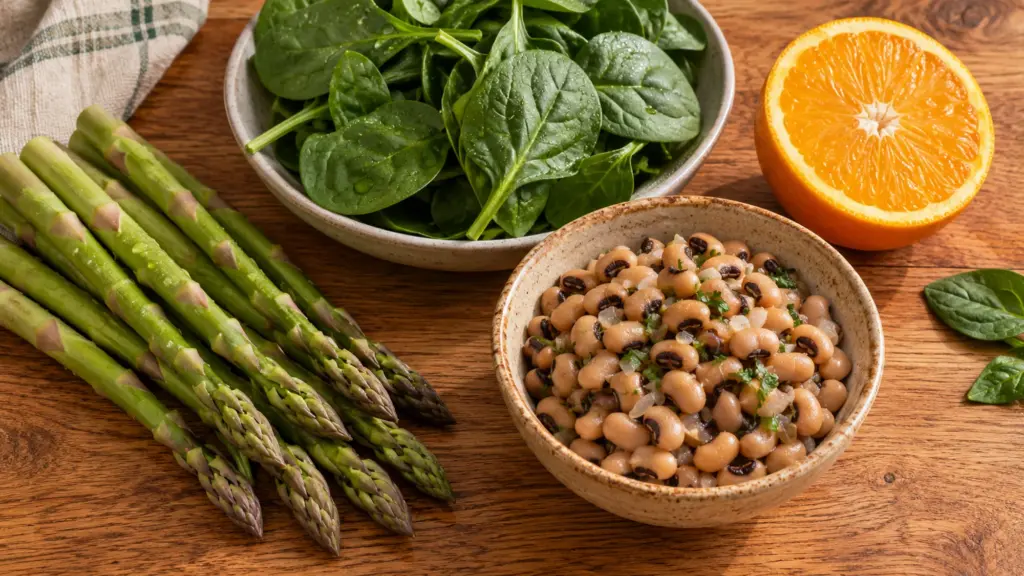
Folate is vitamin B9, a nutrient your body uses to make genetic material and support cell division. It occurs naturally in foods such as leafy greens, beans and oranges. Folic acid is a form used in fortified foods and many supplements; it is not a different vitamin.
I find it easier to separate two questions: which foods belong on your plate, and what a label is actually measuring. You do not need to memorize a chemistry lesson to make that distinction useful.
What Is Folate Doing in Your Food?
The NIH folate overview describes its role in DNA production and cell division. That makes it an everyday nutrient, not something relevant only during pregnancy. Food variety gives you several ways to include it without relying on one vegetable.
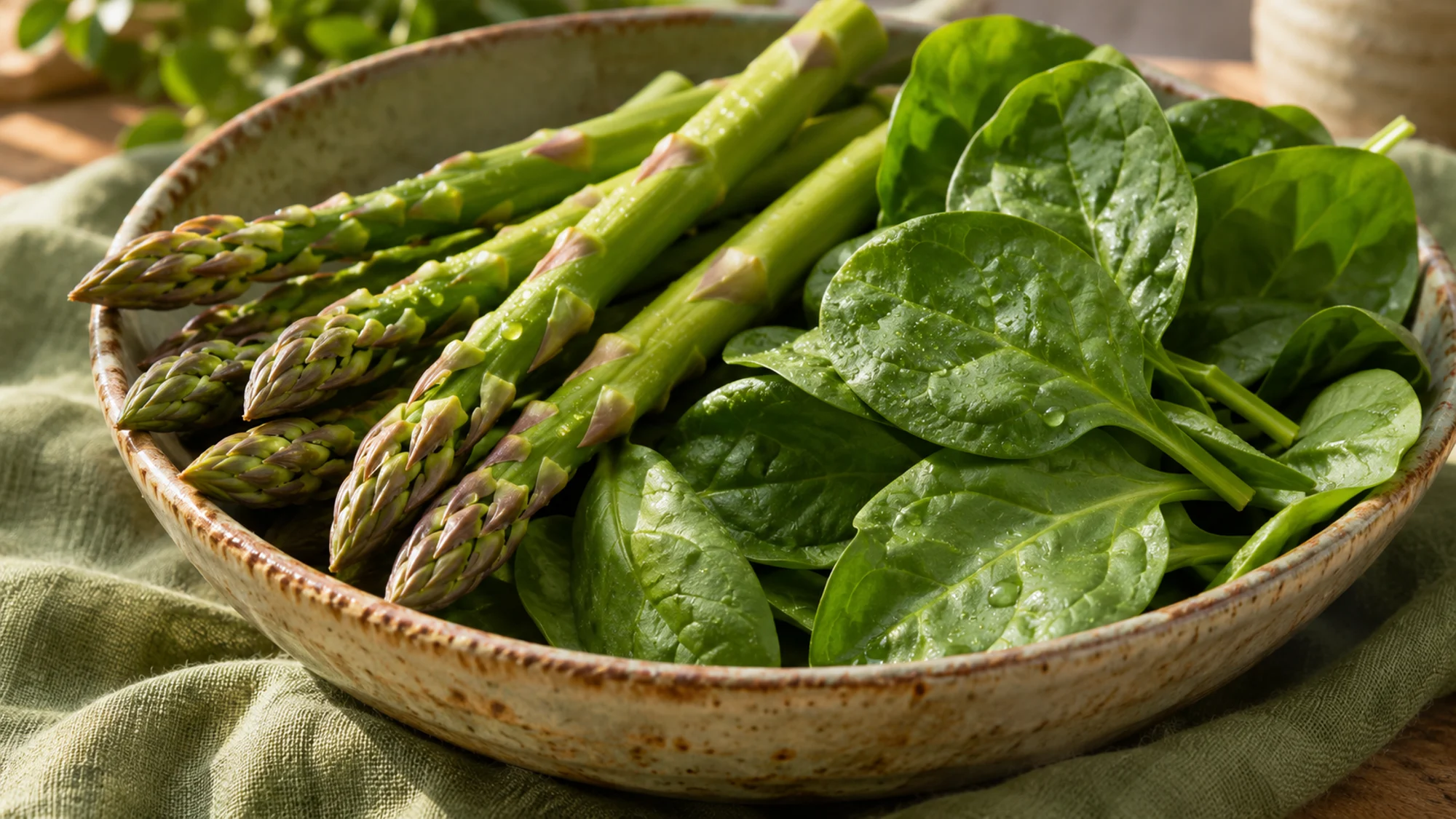
- Leafy vegetables: spinach and other dark greens can become a side dish, a salad base or part of a soup.
- Beans and peas: kidney beans and black-eyed peas offer a practical starting point for a meal.
- Other produce: asparagus, Brussels sprouts and oranges bring different flavors and textures to the same shopping basket.
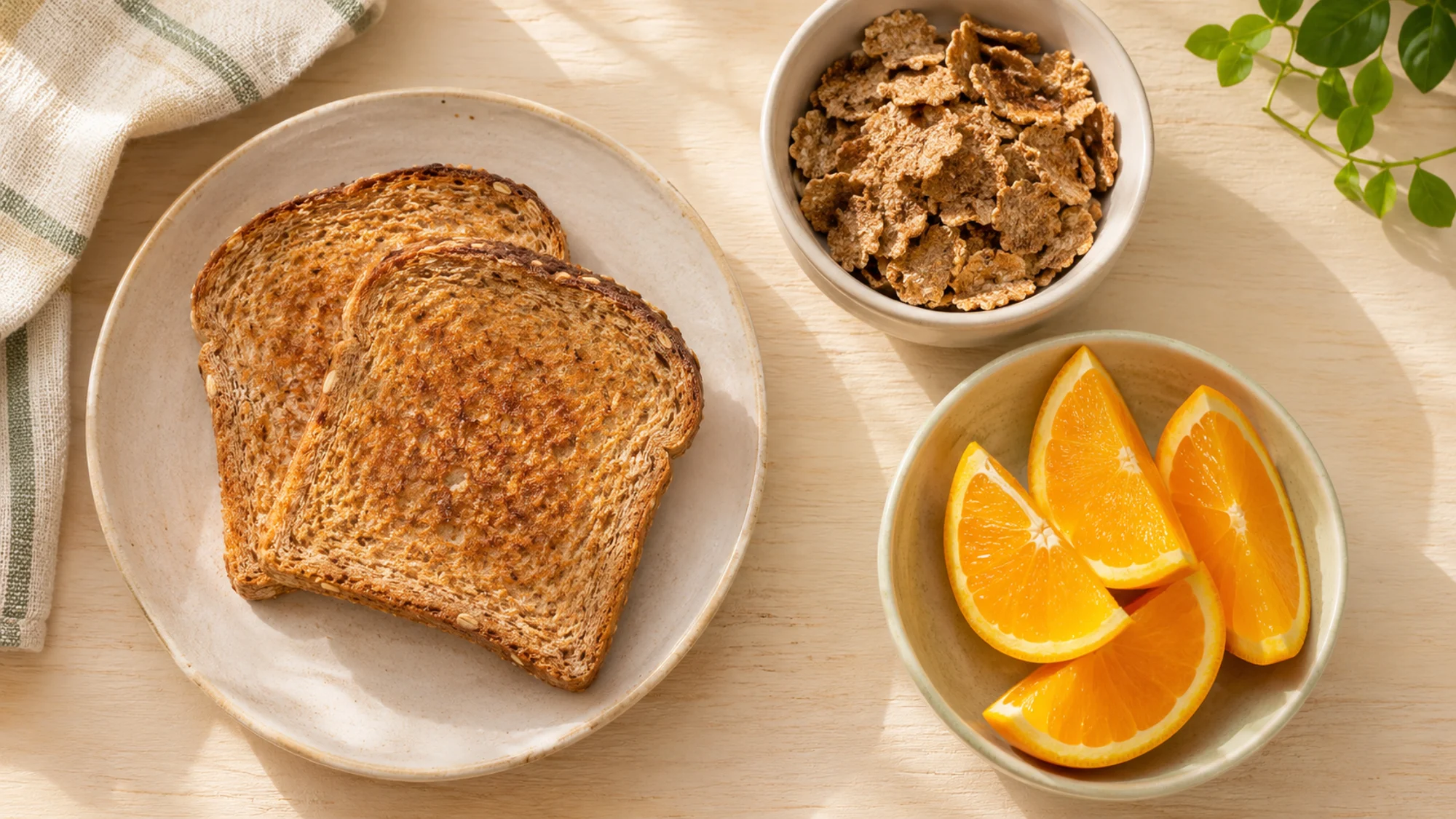
- Fortified staples: some cereals, breads, pastas and rice contain added folic acid. Check the actual package rather than assuming.
For a bean-centered lunch idea, our dense bean salad with lemon and feta offers a useful format. I would choose the beans and vegetables I enjoy first, then build the dressing around them. A food can be worthwhile without turning lunch into a calculation.
Folate, Folic Acid and DFE: Read Them Separately
The FDA explains folate label units using dietary folate equivalents, or DFE. This measure accounts for differences in absorption between food folate and folic acid. The numbers are not interchangeable simply because both use micrograms.
| Label term | Meaning | What to check |
|---|---|---|
| Folate | The vitamin B9 family | Total amount and serving size |
| Folic acid | A form added to foods and vitamins | The amount named in parentheses |
| mcg DFE | Dietary folate equivalents | Use this unit when comparing total folate |
| % Daily Value | Contribution to a labeling reference | It is not an individualized prescription |
A parenthetical folic-acid amount is part of the total, not an extra amount to add again. Also check how many tablets, scoops or food portions make one serving. My preference is to read the small panel before the large claim on the front; the useful answer is usually there.
Do not compare a DFE number on one label with a folic-acid number on another as though they were identical units.
Daily Needs and the Pregnancy Distinction
NIH lists 400 mcg DFE daily for most adults, 600 mcg DFE during pregnancy and 500 mcg DFE while breastfeeding. Those total-folate recommendations are different from the specific folic-acid advice for people who could become pregnant.
- Before and during early pregnancy: CDC recommends 400 mcg of folic acid daily for anyone who could become pregnant, alongside a balanced diet. Early development happens before many people know they are pregnant.
- Check the form: CDC identifies folic acid as the form shown to help prevent neural tube defects. Do not assume that any product labeled “folate” makes an equivalent claim.
- Ask about individual circumstances: a previous pregnancy affected by a neural tube defect or certain medicines may require different clinician-directed advice. Do not choose a high dose on your own.
A bowl of greens is useful food, but it does not replace the specific folic-acid recommendation for someone who could become pregnant.
Make the Food Part Simple
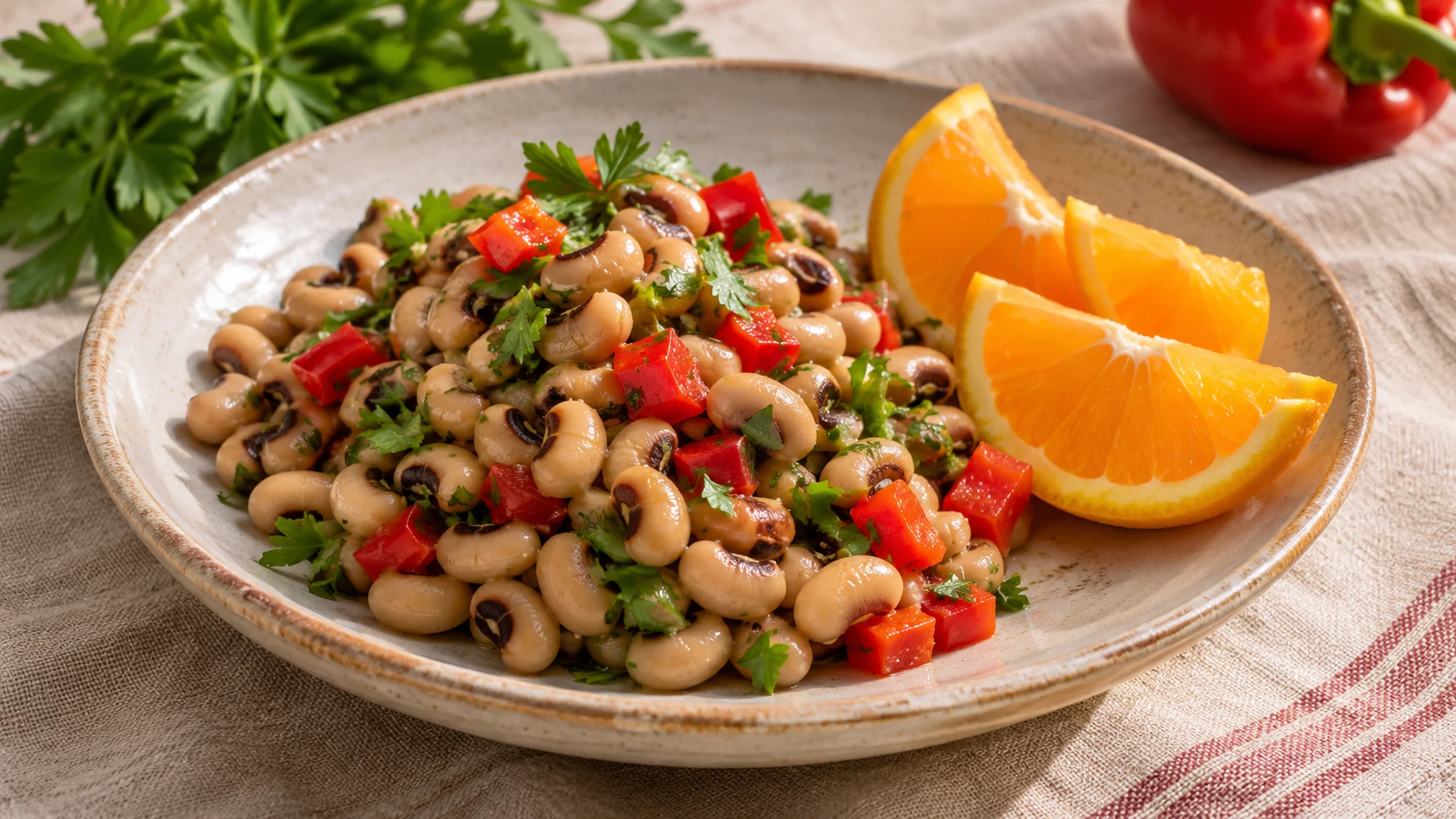
Choose one natural source and one familiar meal where it fits. For example, black-eyed peas can anchor lunch while orange wedges provide a bright side. These are meal-building ideas, not a calculated daily menu or a promise that a pictured plate meets every requirement.
- Add greens to a soup you already enjoy rather than buying a large bag without a plan.
- Serve asparagus or Brussels sprouts alongside an existing dinner instead of making an entirely separate meal.
- Read fortified-food labels each time you change brands; similar-looking products can differ.
- Discuss supplements with a clinician or pharmacist if you take medicines or have a diagnosed deficiency. More is not automatically better.
Bottom Line
Folate is vitamin B9; folic acid is one form of it. Enjoy varied foods that supply folate, read DFE and folic-acid amounts carefully, and keep pregnancy guidance separate from a general food list. That distinction makes the labels much less confusing.
The CDC video below introduces folic acid and healthy pregnancy. Use the specific guidance above when comparing supplement labels.