
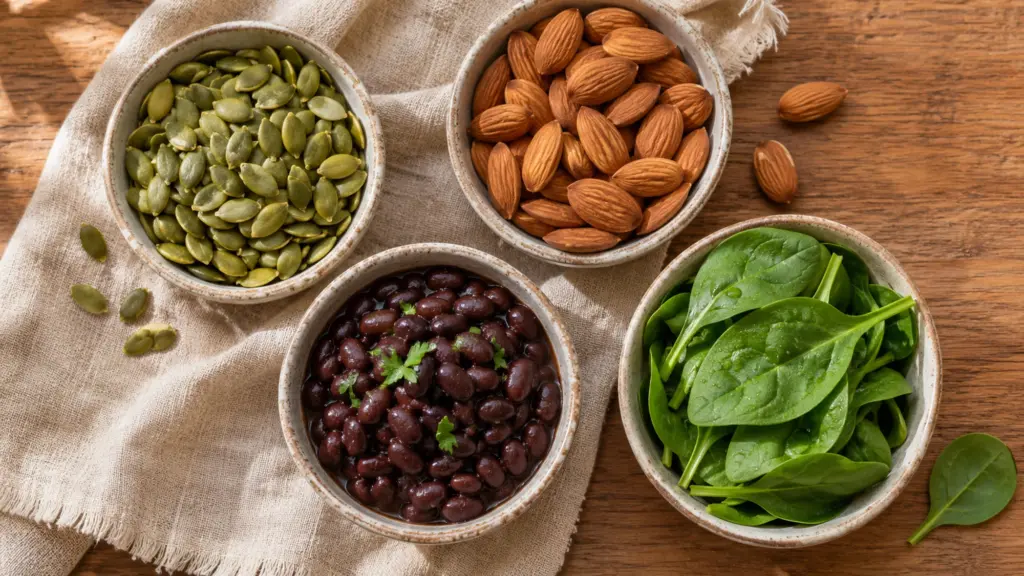
A handful of seeds can seem like a garnish rather than a meaningful part of lunch. When you are wondering what foods are high in magnesium, though, that little handful deserves a closer look. Pumpkin seeds and chia seeds are concentrated options; beans, nuts, leafy greens and whole grains help fill out the rest of the plate.
Start with foods you already enjoy: add pumpkin seeds to a bowl, choose beans for a meal, or serve cooked greens alongside dinner. Compare real portions rather than enormous 100-gram servings, and let several foods contribute instead of expecting one ingredient to do everything.
I prefer the ordinary-groceries approach here. A bag of seeds and a can of beans are more useful than a shopping list full of foods you do not actually want to eat. The goal is a repeatable meal, not a mineral scavenger hunt.
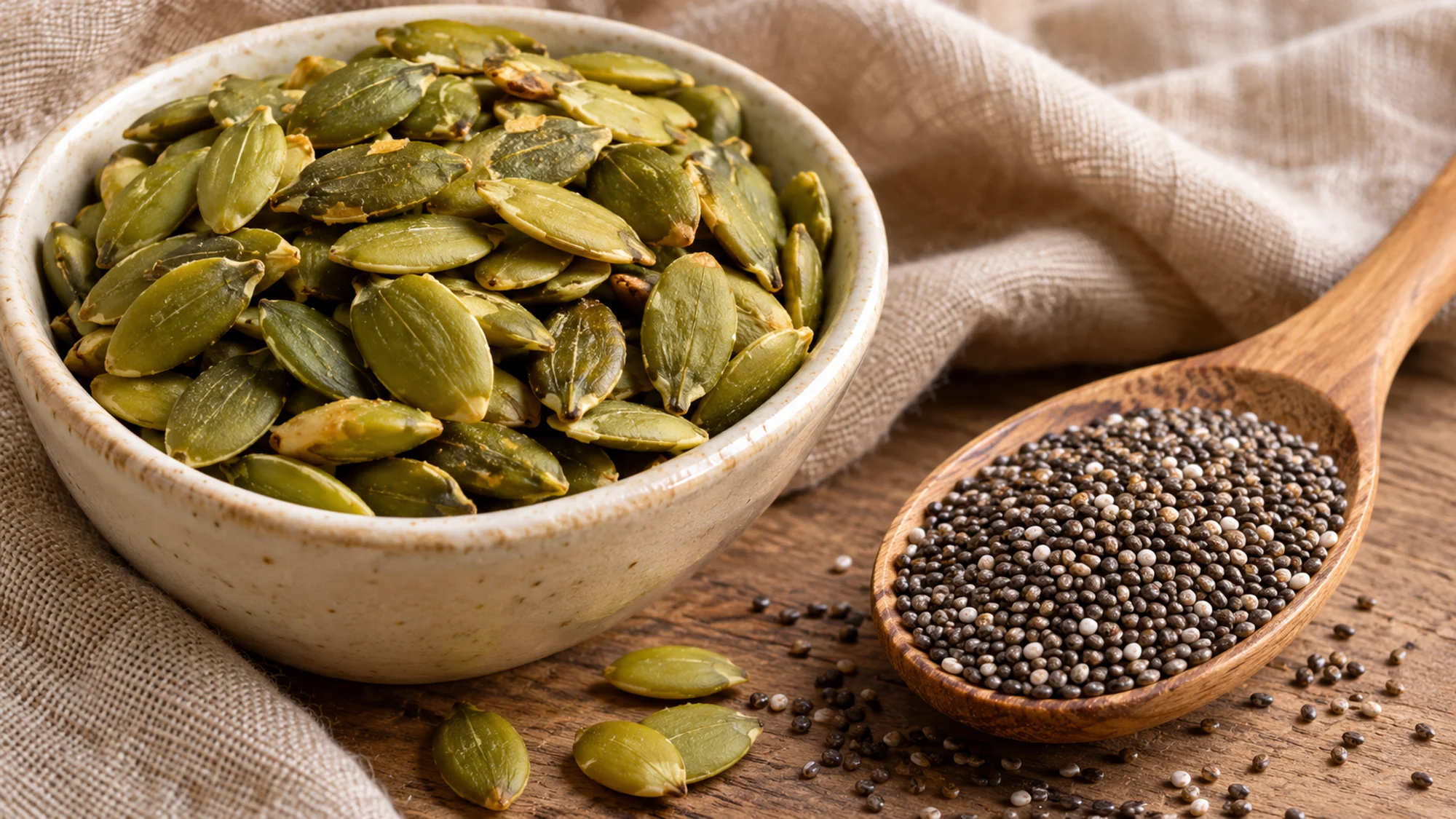
What Foods Are High in Magnesium Per Serving?
The NIH magnesium food table provides the following reference amounts. These are typical values for the listed preparation and portion, not laboratory results for every brand. Keep the serving column attached to the number when comparing foods.
| Food | Portion | Magnesium |
|---|---|---|
| Roasted pumpkin seeds | 1 ounce | 156 mg |
| Chia seeds | 1 ounce | 111 mg |
| Dry-roasted almonds | 1 ounce | 80 mg |
| Boiled spinach | ½ cup | 78 mg |
| Cooked black beans | ½ cup | 60 mg |
| Cooked brown rice | ½ cup | 42 mg |
Seeds are useful when you want a small, crunchy addition. Beans and rice work differently: they become part of the meal itself. Neither role is better. Choose the option that fits the dish, your appetite and any allergies rather than judging food by one nutrient alone.
A smaller contribution still counts. You do not need every item on your plate to top the magnesium list.
Turn the List Into Meals You Want to Eat
For a ready starting point, this lemony dense bean salad makes beans the center of lunch. I would add a crunchy topping at serving time rather than letting it soften in the dressing. Contrast is what keeps a sensible lunch from feeling like homework.
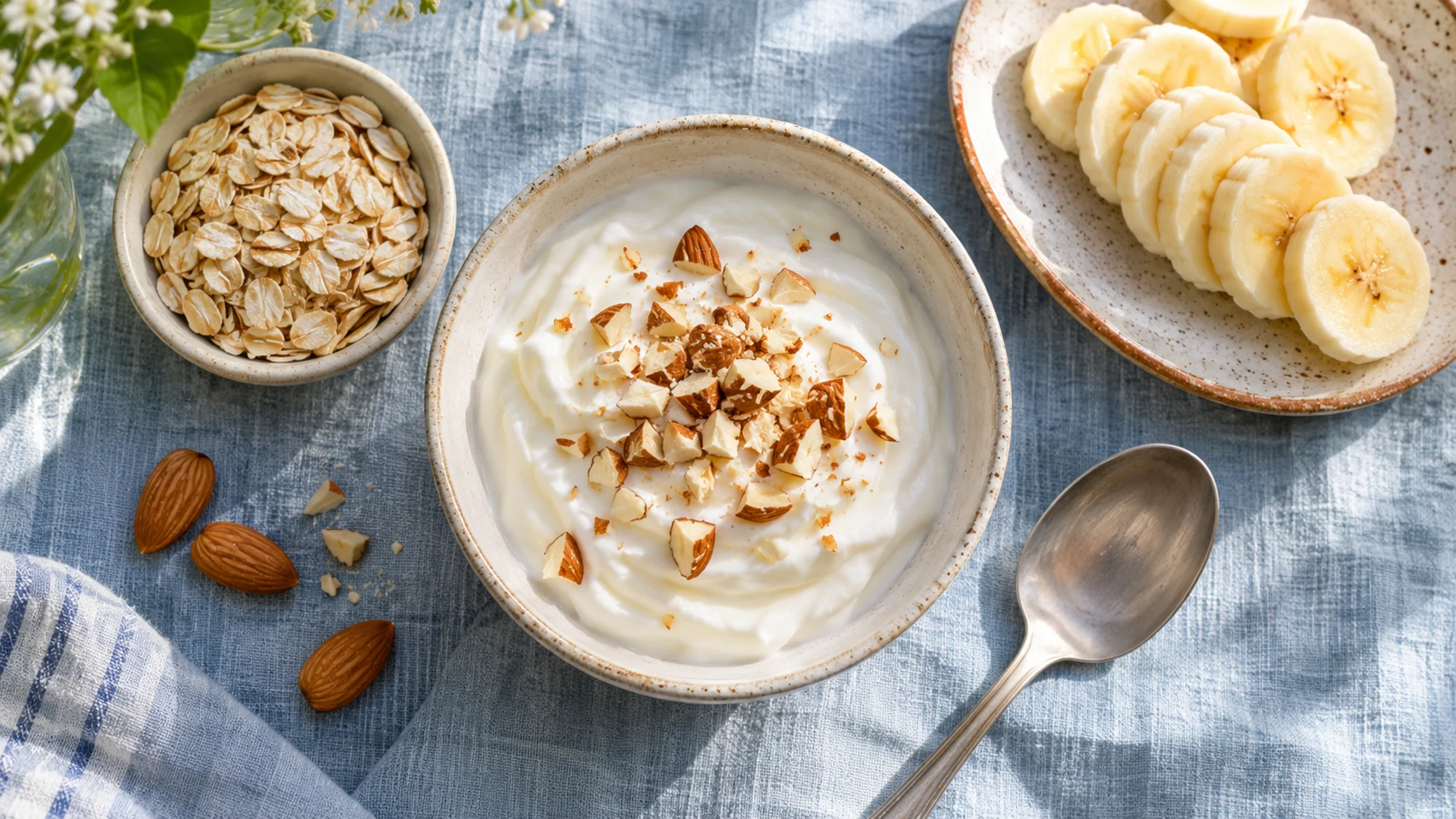
- Breakfast: pair oatmeal or plain yogurt with chopped nuts. Keep any crunchy topping separate until you sit down to eat.
- Lunch: build a bean bowl with a grain and vegetables, then use lemon, herbs or a dressing you enjoy to bring it together.
- Dinner: serve cooked leafy greens beside your usual main dish, or fold beans into a soup that already suits your plans.
- Snack: choose a portion of nuts or seeds you find satisfying. A package is not automatically a single serving.
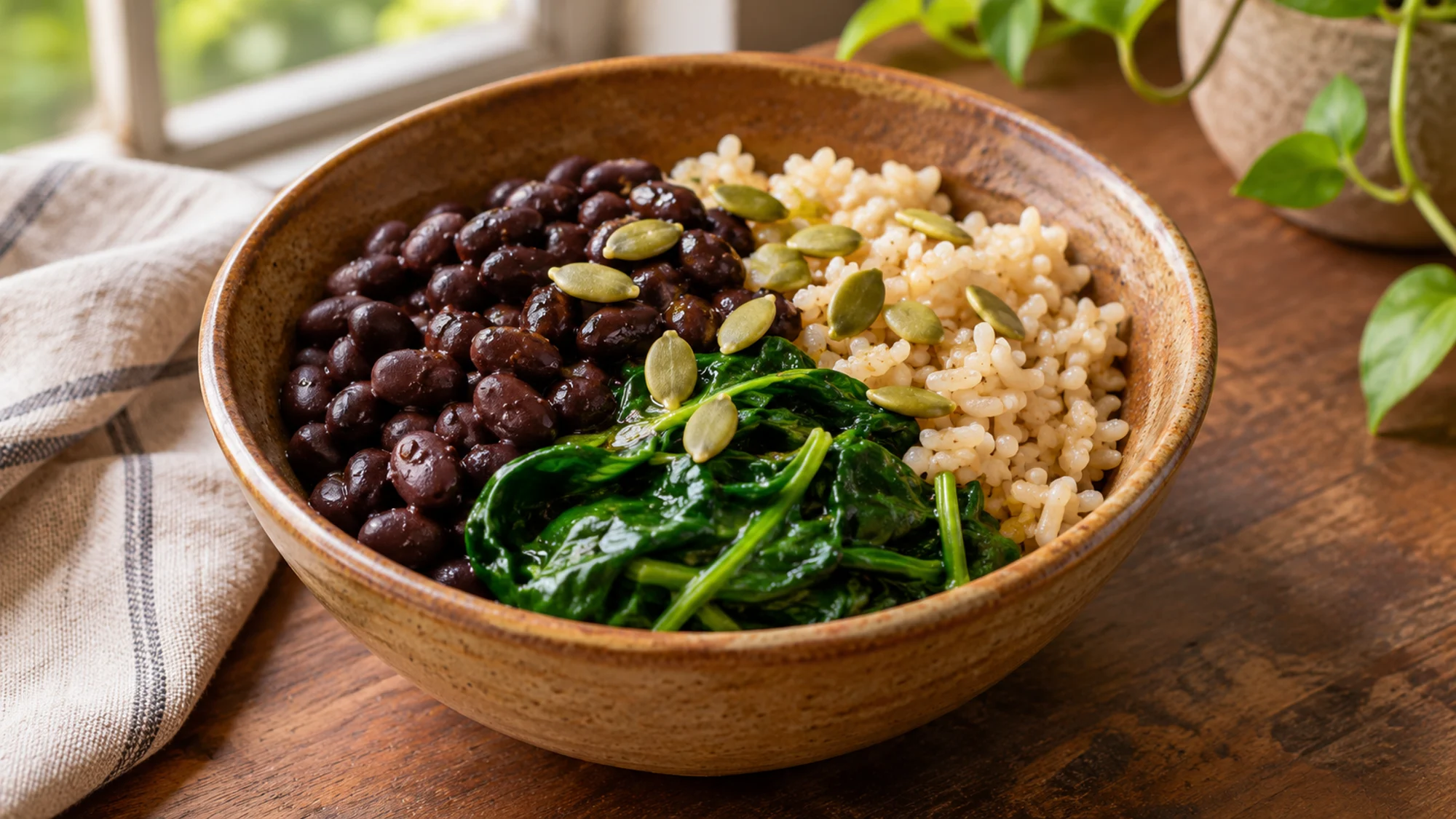
Build around an existing meal first. One useful addition is easier to repeat than a complete kitchen overhaul.
Read Portions Before Comparing Packages
On a label, check the serving size before the nutrient amount. The FDA explains percent Daily Value as a comparison tool: 5% or less is low and 20% or more is high per serving. Those percentages describe the labeled portion, not everything in the bag.
- Compare the same amount when two packages list different serving sizes; a larger serving can make a food appear richer.
- Distinguish dry from cooked grains and raw from cooked vegetables. Water and volume change the comparison.
- Look at the whole label, including sodium or added sugar when relevant, rather than letting a magnesium claim make the decision.
- For a nut allergy, do not assume seeds are automatically suitable; choose foods that fit your own allergy guidance.
My preference is to buy ingredients that work in more than one meal. Pumpkin seeds can finish a soup or salad; beans can become lunch or a quick dinner side. That flexibility matters more in a real kitchen than winning a nutrient ranking.
Food Choices Are Not a Diagnosis
Magnesium helps normal muscle and nerve function, but a food list cannot explain persistent cramps, fatigue or sleep problems. If symptoms concern you, ask a clinician rather than treating a social-media checklist as a diagnosis. Supplements are a separate decision, especially with kidney disease or medicines that may interact.
This is a guide to food choices, not a supplement prescription. A clinician can help if you have a diagnosed deficiency or a restricted diet.
Bottom Line
Pumpkin seeds, chia seeds, almonds, spinach, black beans and brown rice offer practical ways to add magnesium to everyday meals. Pick one or two you genuinely like, compare realistic portions, and keep the rest of your eating pattern in view.
For a practical bean-based meal idea, Inspired Taste demonstrates an easy bean salad in the video below. It is a cooking example, not a claim that one salad treats low magnesium.