
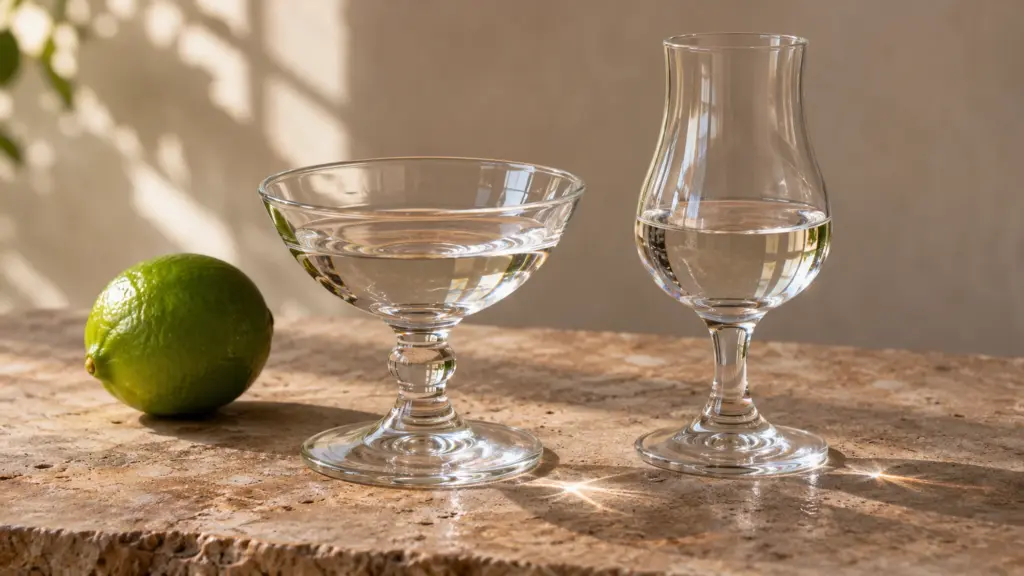
Two clear bottles can look nearly identical on a shelf, yet bring very different flavors to a glass. With mezcal vs tequila, smoke is only the beginning of the comparison: the agave, production choices and label tell you more than the color does.
Tequila uses blue agave; mezcal can use several agave species. Both are Mexican agave spirits with distinct protected identities. Mezcal is often smoky, but not always, and neither name tells you a bottle’s alcohol strength.
Mezcal vs Tequila: What Actually Changes?
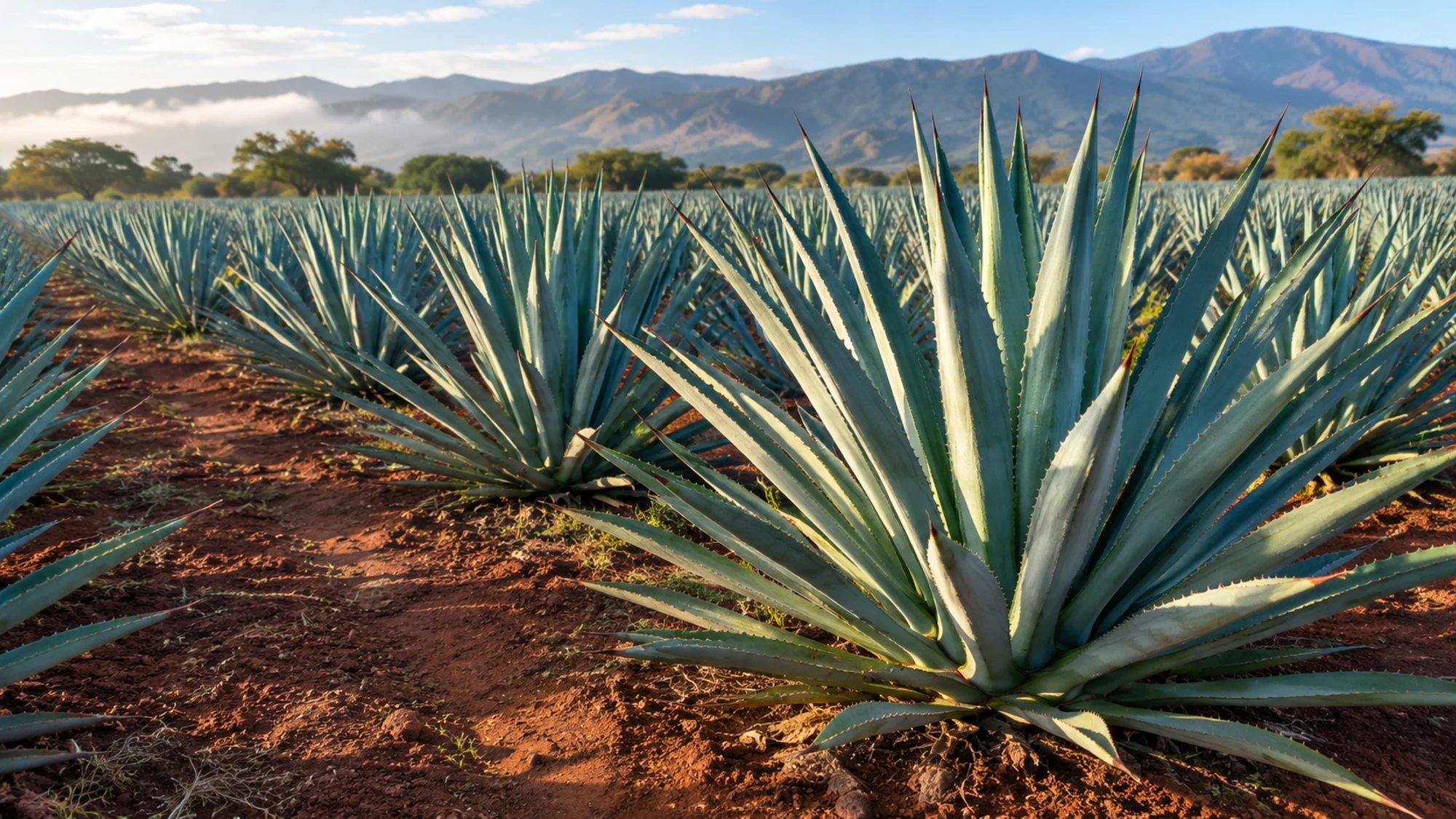
The Tequila Regulatory Council identifies blue agave, Agave tequilana Weber variety azul, as tequila’s raw material. “100% agave” tequila gets all its fermentable sugars from that plant; the broader tequila category permits other sugars, with at least 51% from blue agave. Those are sugar-source categories, not alcohol percentages.
Mezcal offers a wider range of agaves, including espadín. Both spirits have designated production areas and their own standards. I’d treat the names as distinct bottle identities rather than use the historical shorthand “tequila is mezcal” as a shopping rule. This compact comparison separates the useful questions.
| Question | Tequila | Mezcal |
|---|---|---|
| Agave source | Blue agave | Several permitted agave species |
| Useful label clue | 100% agave; blanco, reposado or añejo | Agave species; producer; production category |
| Smoke | Not the defining feature | Common, not universal |
| Strength | Read the bottle’s ABV | Read the bottle’s ABV |
Why Smoke Does Not Tell the Whole Story
Cooking, fermentation, distillation and maturation all influence aroma. The WSET comparison of tequila and mezcal explains that pit cooking often contributes smoke to mezcal, while production methods and agave also shape the result. “Smoky tequila” therefore misses much of what makes mezcal distinctive.
- Expect variation within each category: a description of one bottle is not a promise about every other bottle.
- Separate smoke from alcohol heat. A forceful aroma does not measure how much alcohol a pour contains.
- Ask for specific tasting notes rather than “smooth.” Citrus, herbs, roasted agave or oak tell you more about the intended flavor.
- Consider the producer’s description of the exact bottle, not just the category name on a menu.
Compare the particular bottles, not a stereotype. Smoke can be one clue, but it is not a complete definition of mezcal.
Read the Label Before Choosing
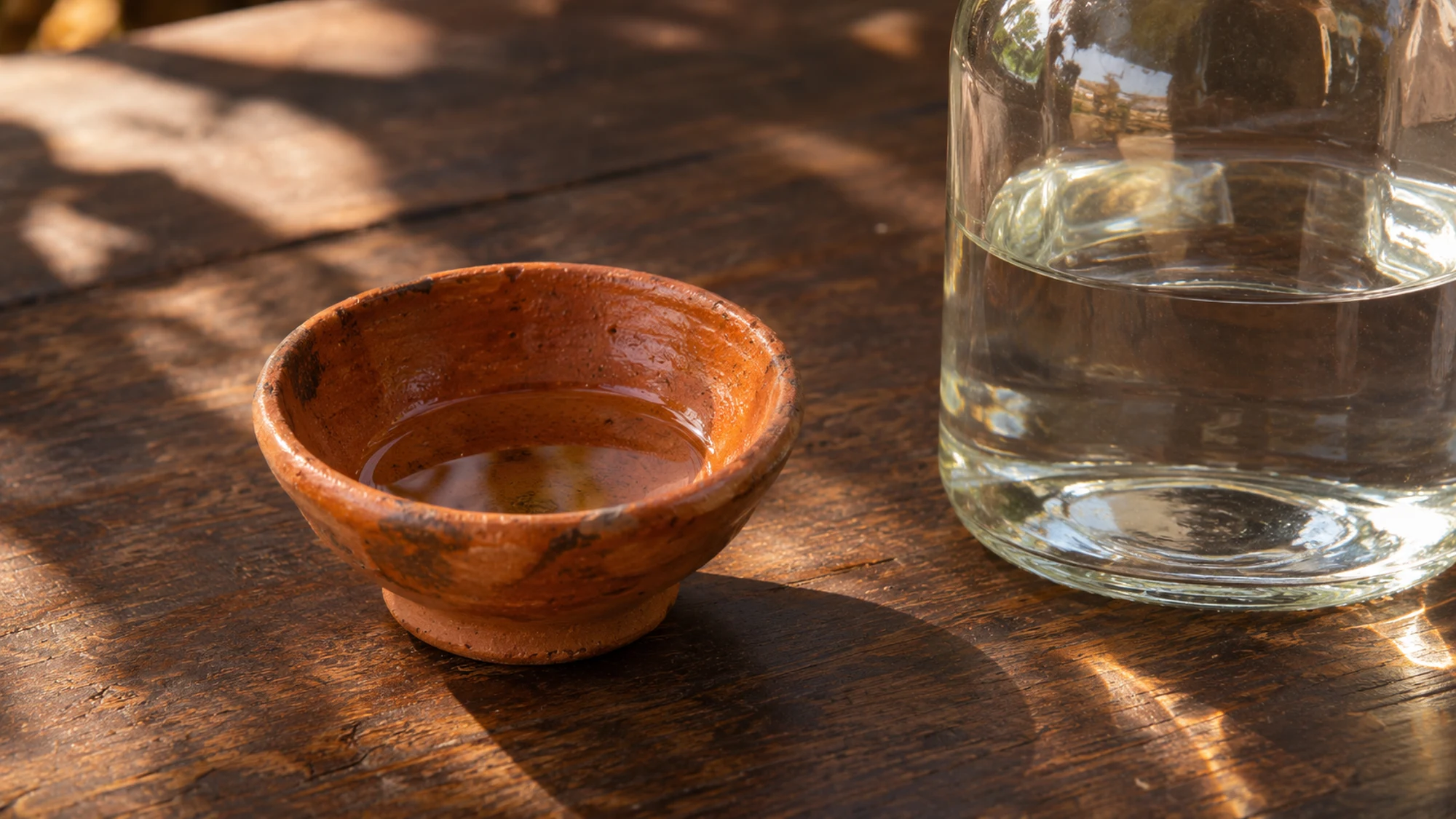
For tequila, blanco, reposado and añejo describe different styles of maturation. The CRT gives reposado a minimum of two months in wood and añejo a minimum of one year under its specified conditions. A darker color alone is not a dependable guide to age, quality or how much you will enjoy it.
- Check the full product name and producer so you can find the same bottle again.
- Look for agave information. For tequila, distinguish the 100% agave category; for mezcal, note the species or blend when listed.
- Read alcohol by volume, often written ABV or alc/vol, before comparing pours.
- Choose the intended use first: sipping, a bright citrus cocktail, or an ingredient in a particular recipe.
- Keep your budget separate from claims of superiority. A costly bottle is not automatically the better fit for a strongly flavored mixed drink.
I’d rather have a clear description and a manageable bottle than buy on a dramatic label alone. If you are following a cocktail recipe, start with its specified spirit; swapping mezcal for tequila changes the flavor, even when the measured volume stays the same.
The most useful bottle is one whose ingredients, style and strength you understand—not simply the one with the most impressive packaging.
Compare Alcohol, Not Just Pour Size
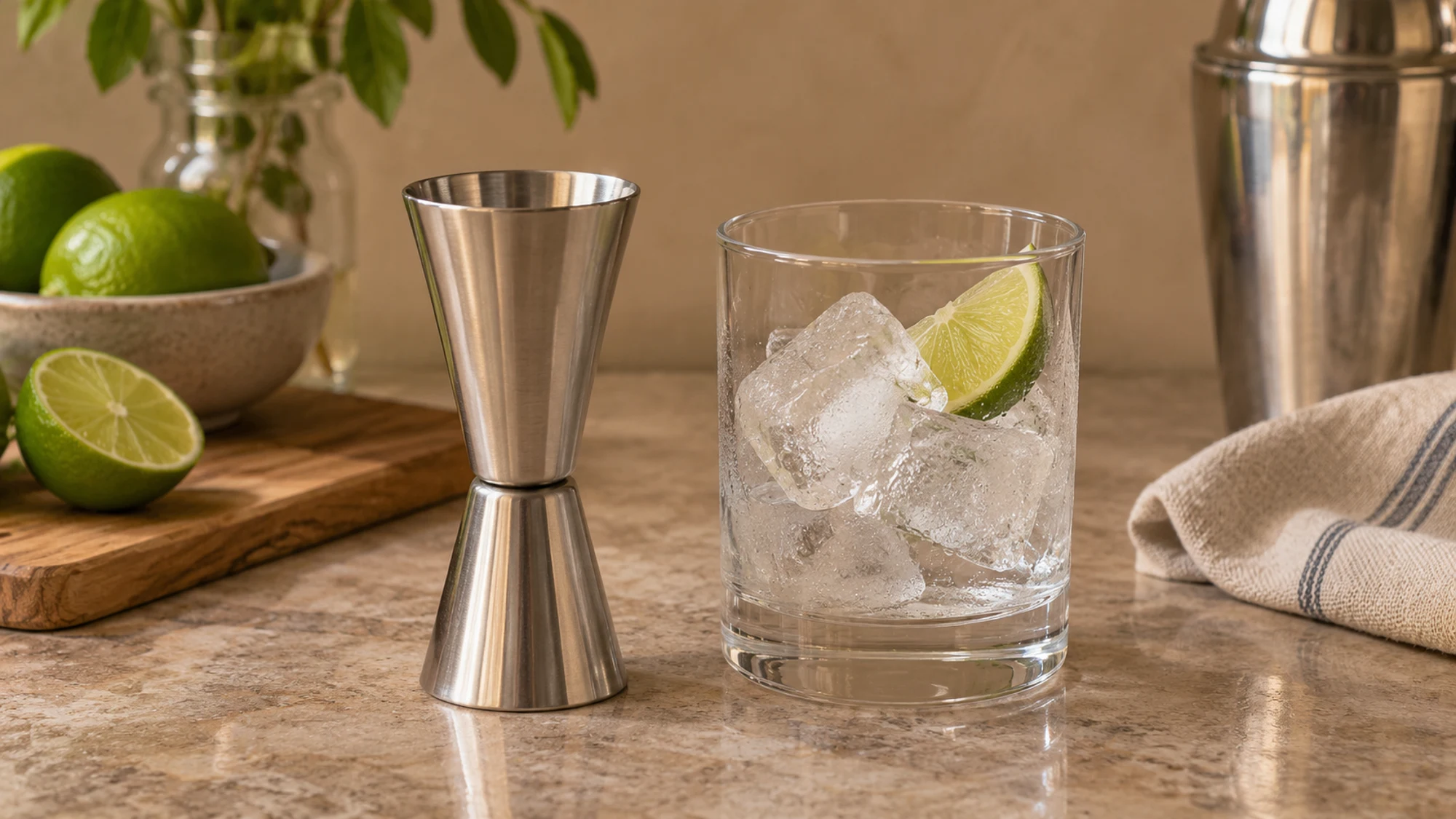
According to NIAAA’s standard-drink guide, 1.5 U.S. fluid ounces of a 40% ABV distilled spirit contains one U.S. standard drink. A stronger spirit contains more alcohol in that same volume, and a cocktail may contain more than one standard drink.
- Use a measure rather than estimating a pour from the shape of the glass.
- Count every alcoholic ingredient in a mixed drink, including liqueurs.
- Do not treat “100% agave,” artisanal production or a higher price as a health advantage.
- If you do not drink, there is no reason to start for this comparison. For a separate alcohol-free citrus option, try a diluted ginger and orange drink.
Bottom Line
Mezcal vs tequila is a comparison of agave, place, process and individual bottles—not a contest with one winner. Read the label, keep flavor separate from strength, and choose an alcohol-free option whenever that suits you.