
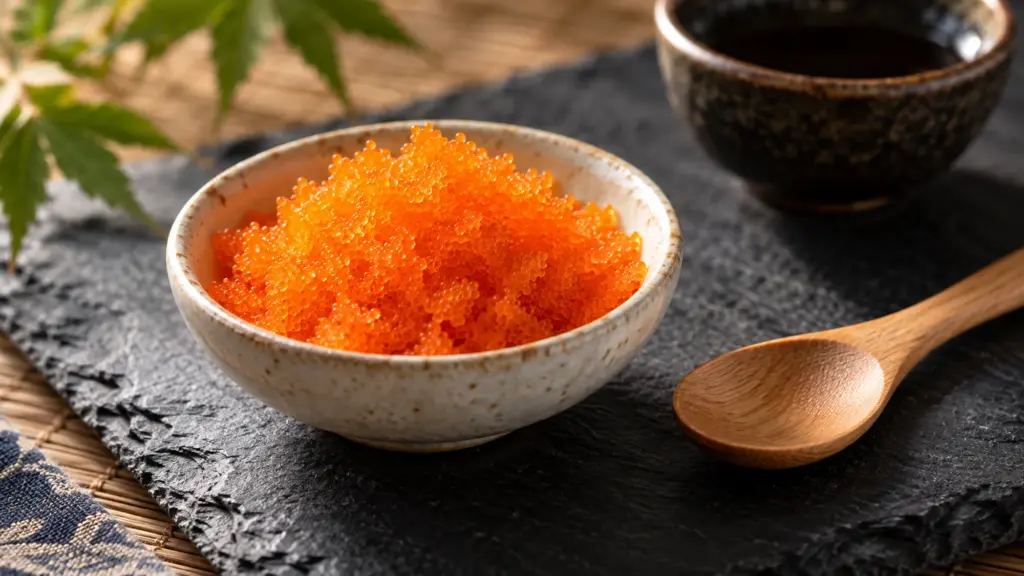
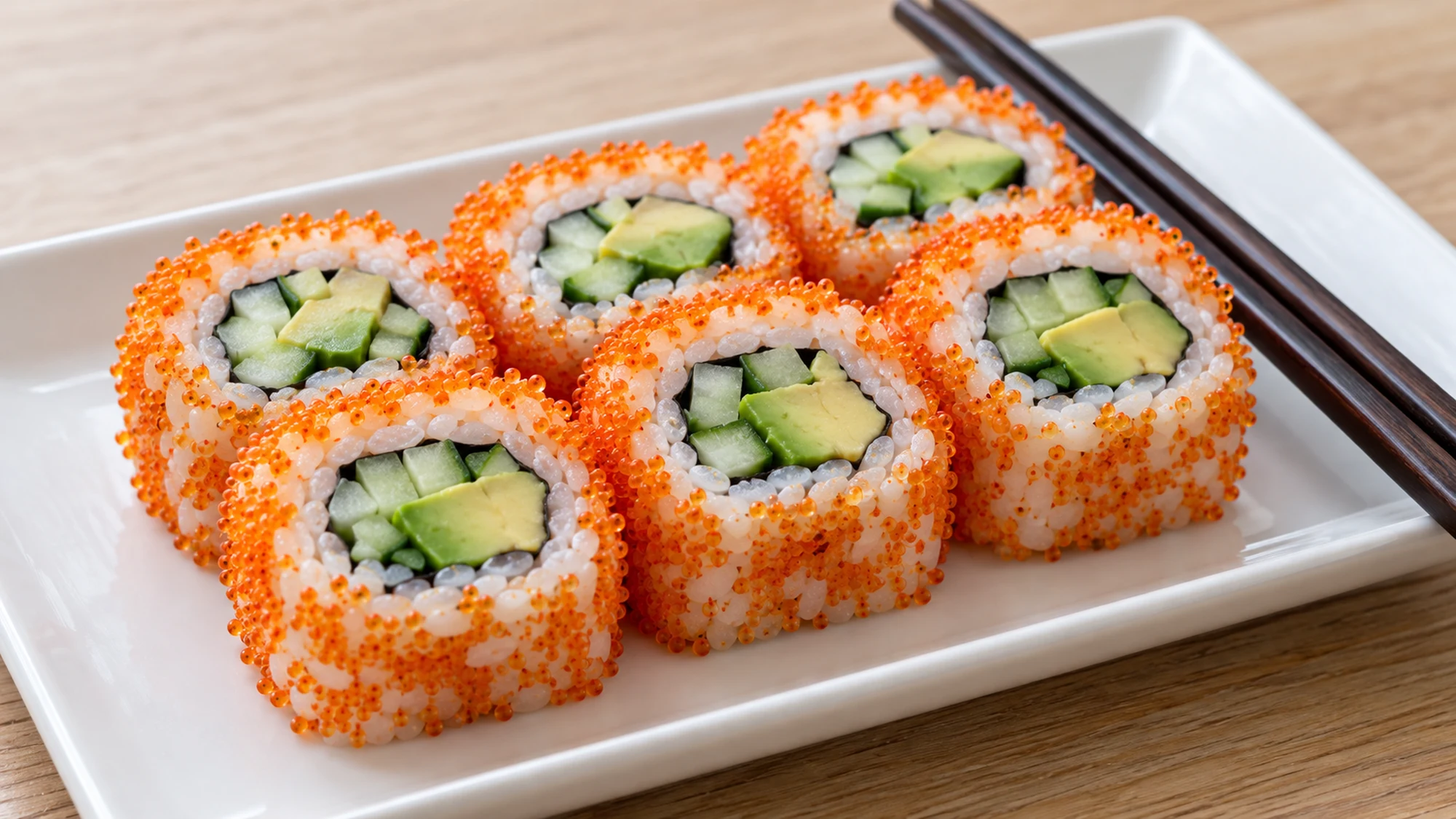
Those tiny orange grains around a sushi roll look decorative, but they bring flavor and texture too. Before choosing a tub for home, it helps to know what the label means—and why two orange roe products can have different ingredients.
Masago usually means capelin roe: very small fish eggs sold as a seasoned topping for sushi and other dishes. It is not the same as tobiko, which comes from flying fish. Check the package, because some products labeled masago contain a blend of roe.
I’d treat it as a finishing ingredient rather than the main protein on the plate. A modest amount can add a fine-grained bite and salty seafood flavor without covering up the cucumber, rice or avocado underneath.
What Is Masago, Exactly?
Seafood supplier Ocean Blue identifies masago as capelin roe. Roe simply means fish eggs. The small grains are often sold seasoned and colored, so the finished product is more than an unaltered ingredient straight from the fish.
- Species: Capelin is the usual association, but read the specific product. Azuma’s Masago Orange lists both capelin and herring roe.
- Seasoning: Salt, sweeteners and other flavorings can change the balance from one brand to another.
- Color: Bright orange is familiar, but color alone does not identify the species or prove how a product was processed.
- Dietary category: This is an animal-derived seafood ingredient, not a vegetarian garnish.
The blend detail is not hypothetical: it appears on Azuma Foods’ own Masago Orange product page. If a menu only says “roe,” ask which kind it is. That gives you more useful information than trying to identify every orange grain from across the table.
Masago vs. Tobiko and Salmon Roe
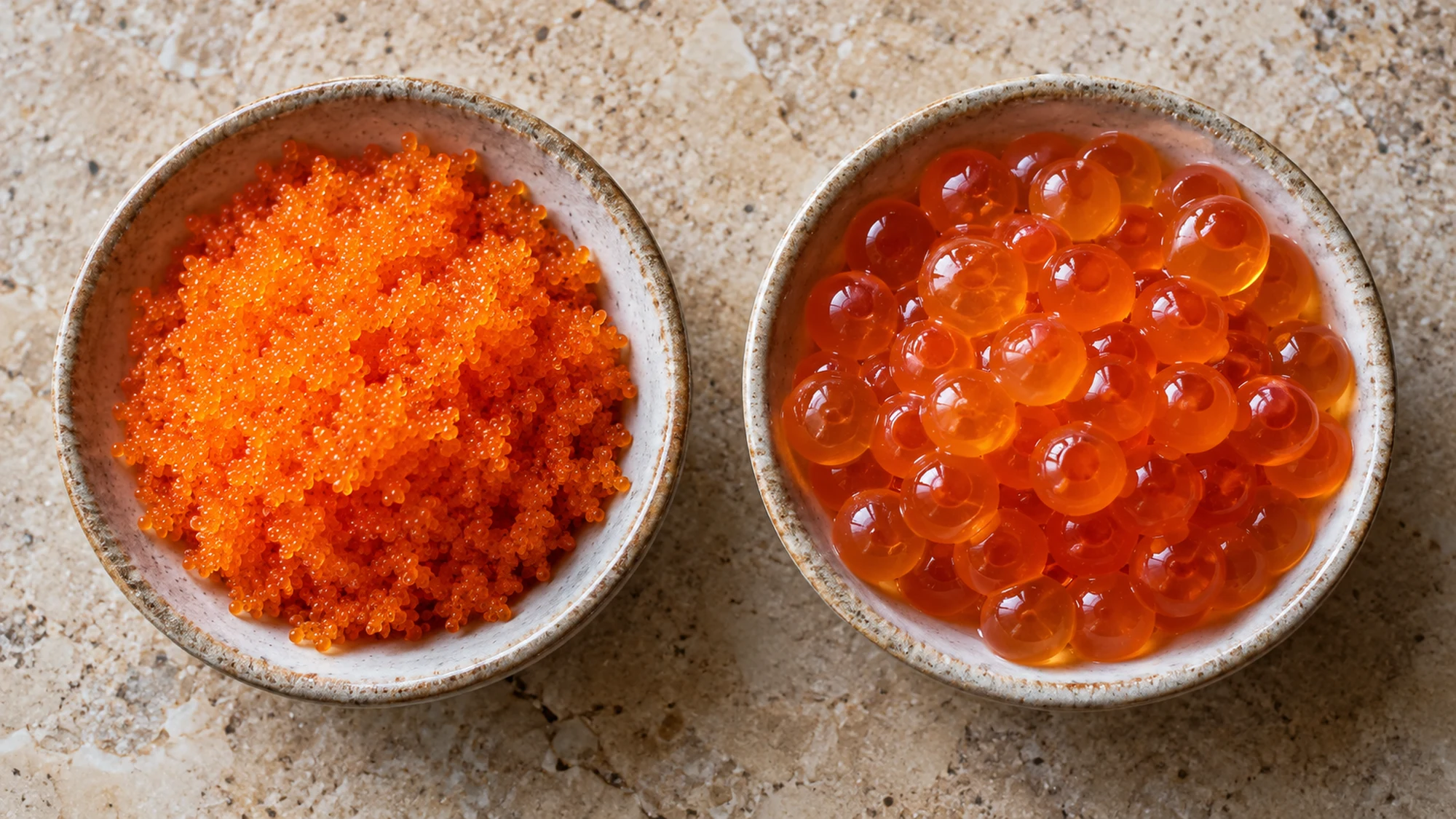
These toppings occupy a similar place on a sushi menu, but they are not interchangeable in every respect. Size changes the way roe sits on rice and feels in a bite. I would choose the texture I want first, then compare the actual ingredient labels.
| Roe | Fish source | Useful distinction |
|---|---|---|
| Masago | Usually capelin; blends exist | Very fine grains for coatings and garnishes |
| Tobiko | Flying fish | Larger than masago; a more distinct individual bead |
| Ikura | Salmon | Much larger eggs; a different visual and eating experience |
Azuma Foods explains the capelin-versus-flying-fish distinction. Do not assume that an orange coating on a roll must be tobiko, or that a higher price guarantees the kind you prefer. Ask the seller rather than relying on color or menu photography.
For a fine coating, masago makes practical sense. If you want noticeably larger beads, confirm the species instead of choosing by color alone.
Read the Label Before Serving
The ingredient list matters for more than taste. Yutaka’s Masago Orange listing, for example, includes capelin roe, sugar, salt, soy sauce with wheat and soybeans, and colors. Other products differ, including products specifically labeled gluten-free.
- Fish allergy: Masago is fish roe. Do not assume that avoiding fish fillets makes a roe topping suitable.
- Wheat and soy: Seasonings may introduce them. Check the actual package every time rather than applying one brand’s claim to another.
- Sodium and sugar: Compare labels using the same serving basis and the amount you expect to use.
- Handling: Confirm whether the product is ready to eat and follow its thawing, refrigeration and after-opening directions.
The FDA’s allergy guidance lists fish, wheat and soy among major allergens. A small garnish is still an ingredient that needs disclosure. For a general seafood shopping comparison, our swai fish guide also explains why product identity and preparation instructions deserve attention.
Using and Storing Masago
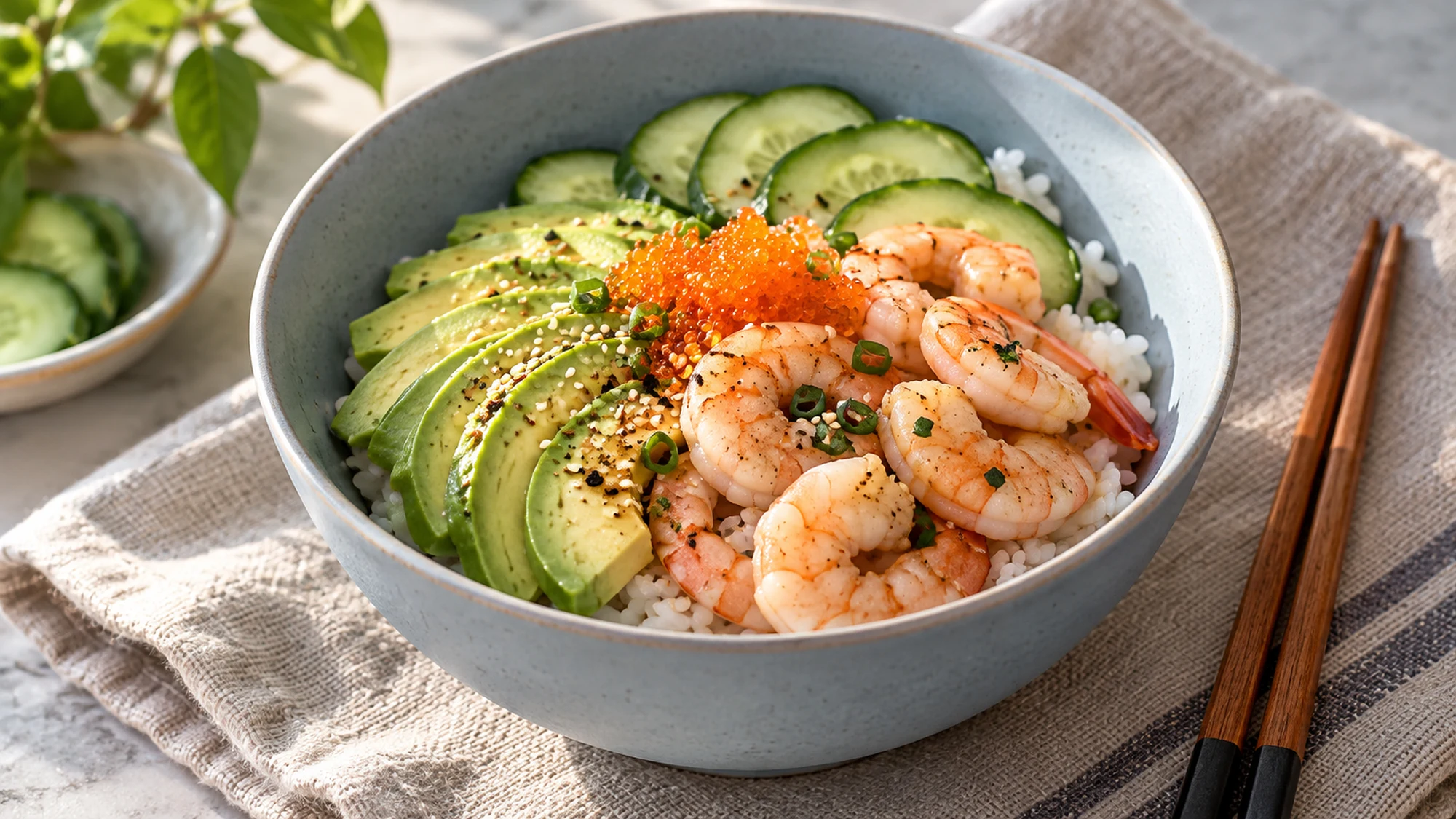
Try a small amount on a rice bowl, a sushi roll or a cool cucumber-and-avocado plate. Taste the seasoned roe before adding extra soy sauce or salt. Mixing it into a creamy sauce changes its role: the grains become a subtle texture throughout rather than a distinct topping.
- Buy a package size that fits the meals you actually plan to make, not just the best-looking bulk price.
- Keep frozen products frozen until you are ready to follow their thawing instructions. Do not thaw seafood on the counter.
- Use a clean spoon and return the container to refrigeration promptly. Follow the manufacturer’s opened-product deadline.
- For pregnancy, older adults, young children or weakened immunity, follow FDA advice to avoid raw or undercooked seafood; do not assume seasoning or freezing makes uncooked roe risk-free.
FDA seafood-safety guidance recommends refrigerator thawing and keeping refrigerated seafood at 40°F or below. If processing or handling is unclear, ask the supplier before serving it; appearance alone cannot establish safety.
Bottom Line
Masago is a fine-textured seafood topping, usually made from capelin roe. Choose it for the texture and flavor it adds, verify the species and seasonings, and follow the package’s cold-storage directions. A careful label check is more useful than a blanket “healthy” or “sushi-grade” claim.
Chef Davy Devaux’s snow-crab sushi-roll demonstration below shows masago used as a finishing garnish. It demonstrates one serving idea, not a requirement to use the same filling or sauces.