
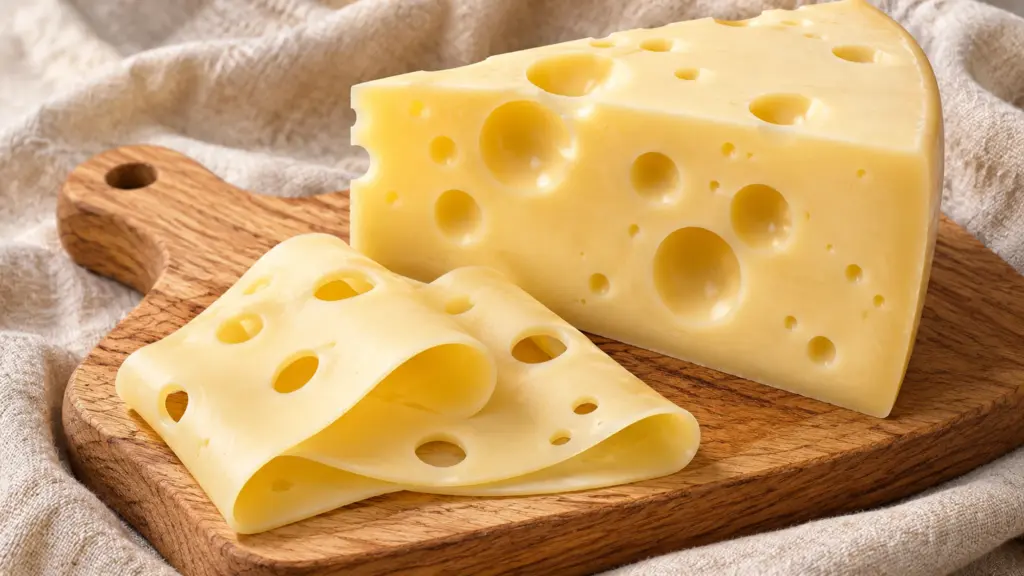
A slice with holes looks unmistakable, but the cheese counter still leaves a few questions: regular Swiss or baby Swiss, slices or a block, and will either melt nicely on dinner? Swiss cheese is a firm, nutty cow’s-milk cheese that works in sandwiches, warm toppings and simple snack plates.
Choose Swiss for a nutty bite, baby Swiss for a milder flavor, and thin slices or shreds when you want an even melt. The holes are part of cheesemaking, not a sign that anything is missing.
I’d choose the cheese around the meal rather than the biggest holes in the package. A lunch sandwich and a bubbling soup topping ask different things of the same dairy-case staple.
What Gives Swiss Cheese Its Holes and Flavor?
In American grocery stores, “Swiss” usually means an Emmental-style cheese, not every cheese made in Switzerland. Its familiar holes, called eyes, develop as cheesemaking cultures produce carbon dioxide. The U.S. Dairy Export Council’s Swiss cheese guide explains the role of these cultures and the differences within the family.
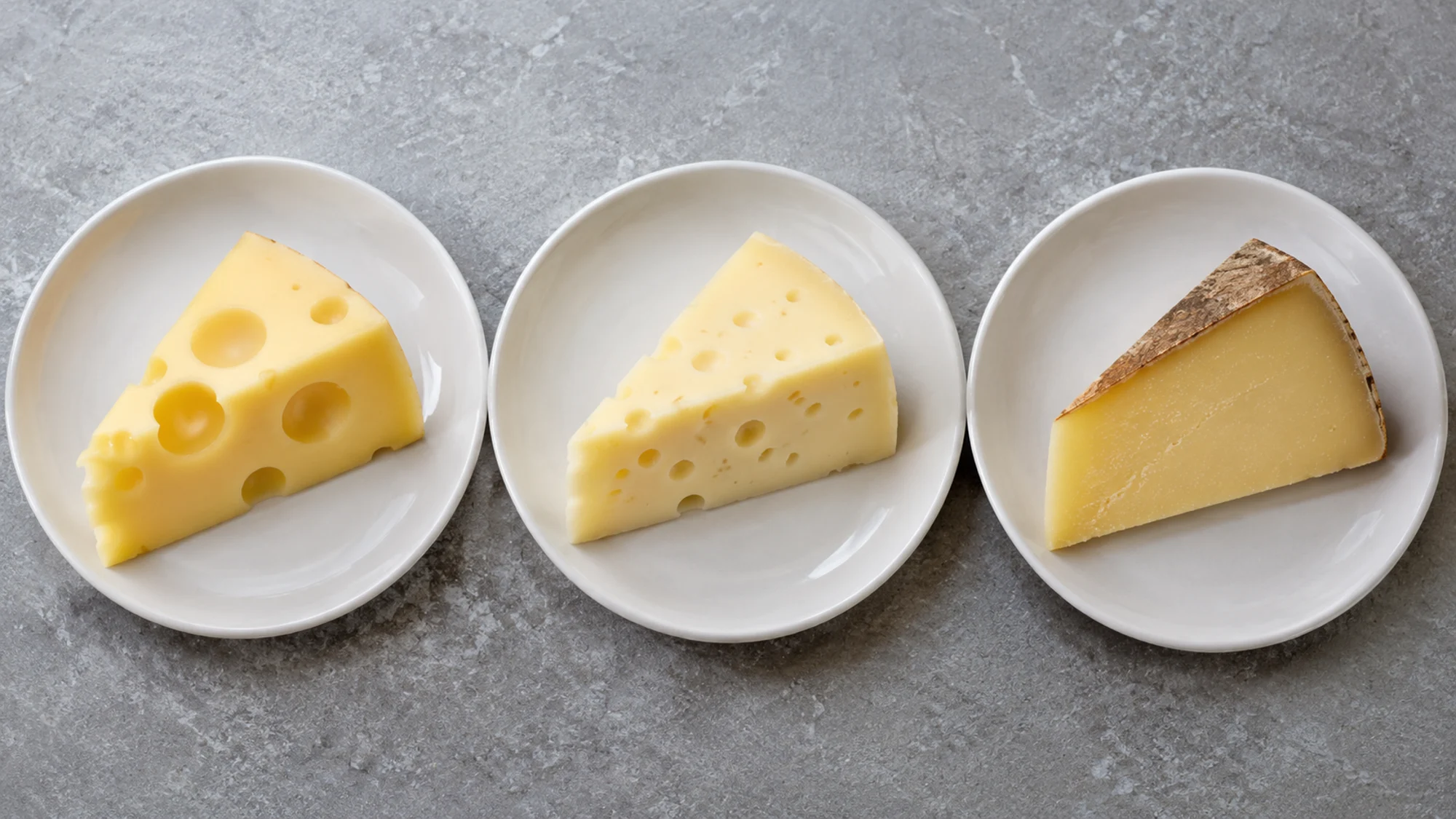
- Regular Swiss: Generally firmer, with a nutty flavor and noticeable eyes. It is commonly made with part-skim milk.
- Baby Swiss: Typically made with whole milk in smaller cheeses, with smaller eyes and a milder character.
- Gruyère: A related but distinct cheese with a denser body and earthier flavor. Do not expect the same large holes.
The name tells you more than the hole count. Read the variety on the package, then choose the flavor and texture you want.
Choosing Swiss Cheese for the Meal
Start with how you will use it. Pre-sliced cheese saves a step for lunch, while a block lets you cut small portions or grate exactly what a warm dish needs. I prefer a block when the same purchase has to cover both sandwiches and cooking.
| Your plan | Useful choice | What to watch |
|---|---|---|
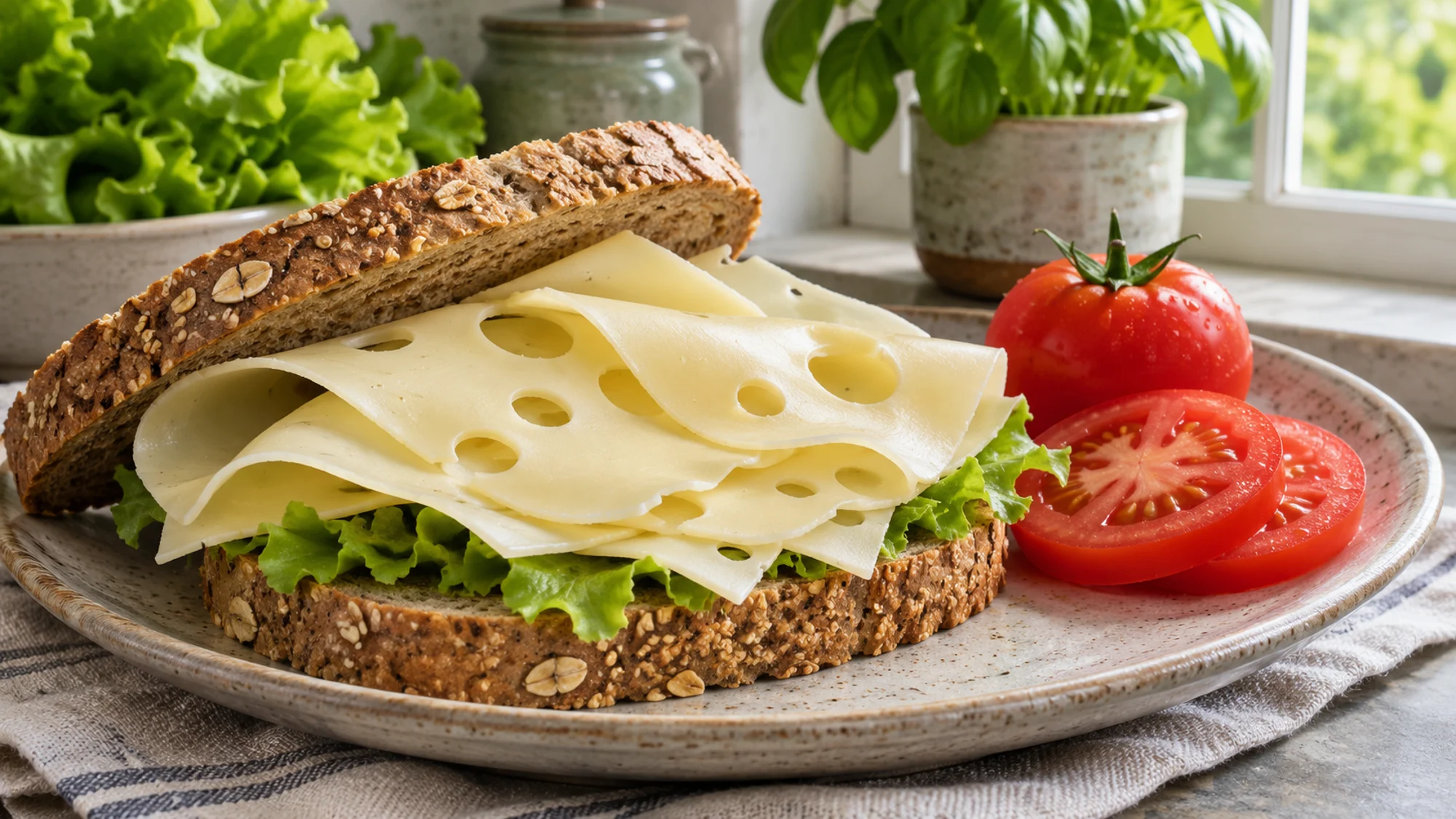
| Cold sandwich | Thin Swiss slices | Spread them evenly rather than stacking one thick center. |
| Milder snack plate | Baby Swiss | Pair with crisp apple or pear for a texture contrast. |
| Warm toast or soup | Thin slices or freshly grated Swiss | Serve while warm; melted Swiss firms as it cools. |
| Deeper savory flavor | Gruyère | Expect a flavor change, not an identical substitute. |
For a specific example, our French onion soup uses Gruyère and explains a milder Swiss alternative. Change the topping if that suits your taste, but do not assume every cheese produces the same finish.
- Keep the pieces small: Thin slices and shreds distribute more evenly than a thick slab.
- Watch the food, not only the clock: Remove a topping when the cheese is melted and the surface looks as browned as you want.
- Serve promptly: A soft topping changes texture as it stands. Prepare the rest of the meal before finishing the cheese.
For melting, the size of the pieces matters. Make the cheese thin and even before adding more heat.
Nutrition and Storage: Read the Actual Package
Swiss supplies protein and calcium, but amounts depend on the product and portion. As one concrete example, Sargento’s regular Swiss slices list 70 calories, 5 grams of protein, 3 grams of saturated fat and 35 milligrams of sodium per 18-gram slice. Those numbers describe that slice, not every brand or a thick deli cut.
- Compare equal weights: Two packages can call very different amounts “one slice.” Check the grams before comparing nutrition.
- Keep the whole meal in view: Cheese can be one part of a sandwich or snack alongside vegetables, fruit and whole-grain bread.
- Check milk allergies separately: Swiss is a milk product. A low lactose claim does not mean a food is safe for someone with a milk allergy.
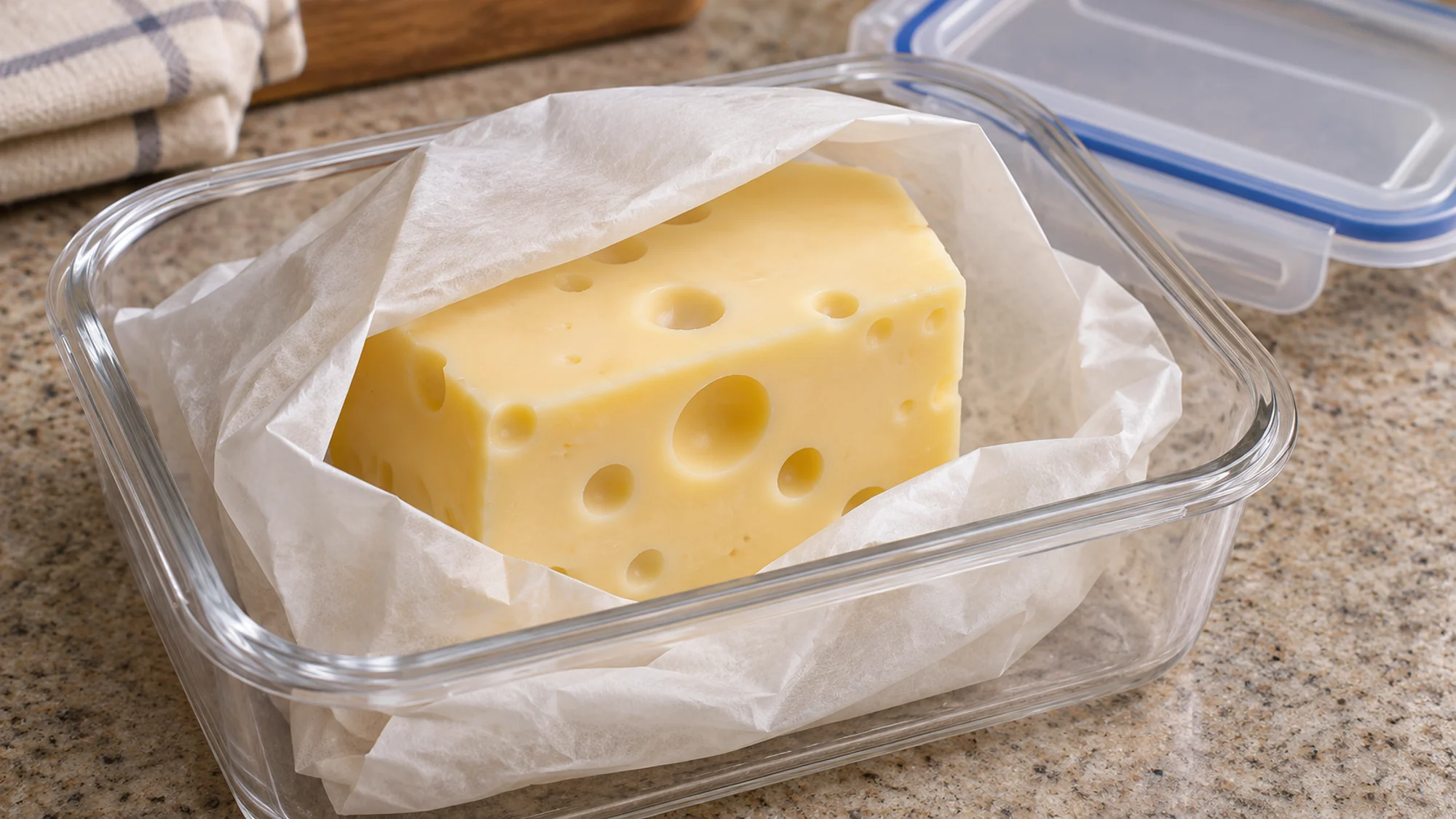
- Follow the storage label: Keep the package closed and refrigerated as directed, and note the manufacturer’s advice after opening.
The Colorado State University cheese guide recommends cold storage and wrapping to limit drying and mold. Buy a size you can realistically use; a large bargain block is less useful if the last piece spends weeks forgotten behind the yogurt.
Use the label for nutrition and storage, not a general reputation. Portion weight and the opened-package instructions make the comparison practical.
Bottom Line
Swiss earns its place through flavor and flexibility: nutty slices for lunch, smaller pieces for warm toppings, and an easy contrast with crisp fruit. Baby Swiss and Gruyère are useful alternatives, but each changes the eating experience.
I’d begin with a small package of the style you actually enjoy, keep it well wrapped, and plan a second use before buying more. The best choice is the one that fits your next meal.