
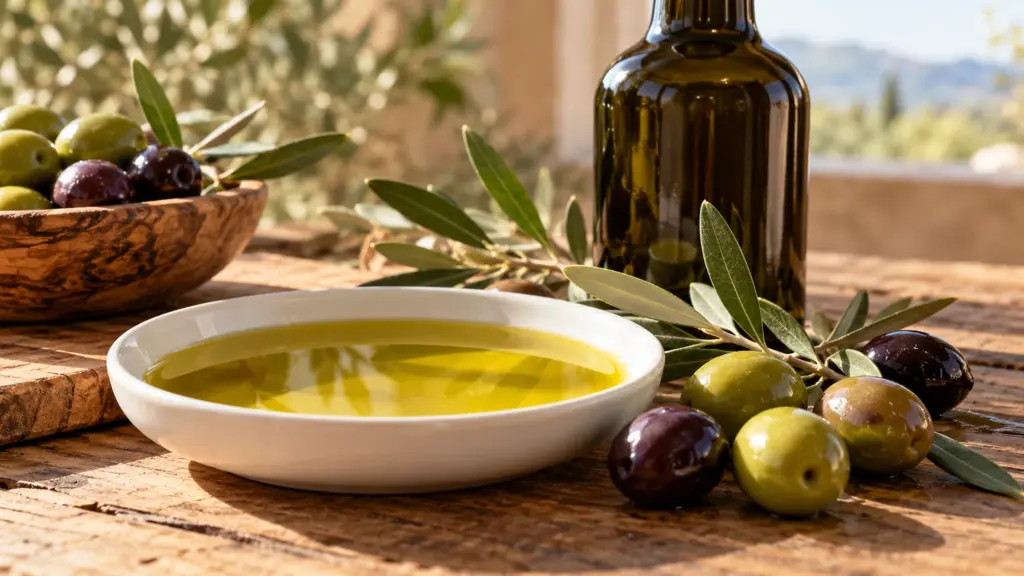
A bottle of olive oil can prompt an unexpectedly tangled question: if olives have pits, does that make their oil a seed oil? The short answer is no. The distinction becomes clearer when you separate the source of an oil from how it is processed and how you use it.
Olive oil is an oil from olive fruit, not a seed oil in the usual culinary sense. Extra virgin, virgin and refined olive oils remain olive-derived oils; refining does not turn an olive into a different plant ingredient.
I’d spend more time reading the bottle’s actual ingredients than worrying about that category alone. A pure olive oil and a blend containing olive oil are different purchases, even when both labels show an inviting picture of olives.
Is Olive Oil a Seed Oil Because Olives Have Pits?
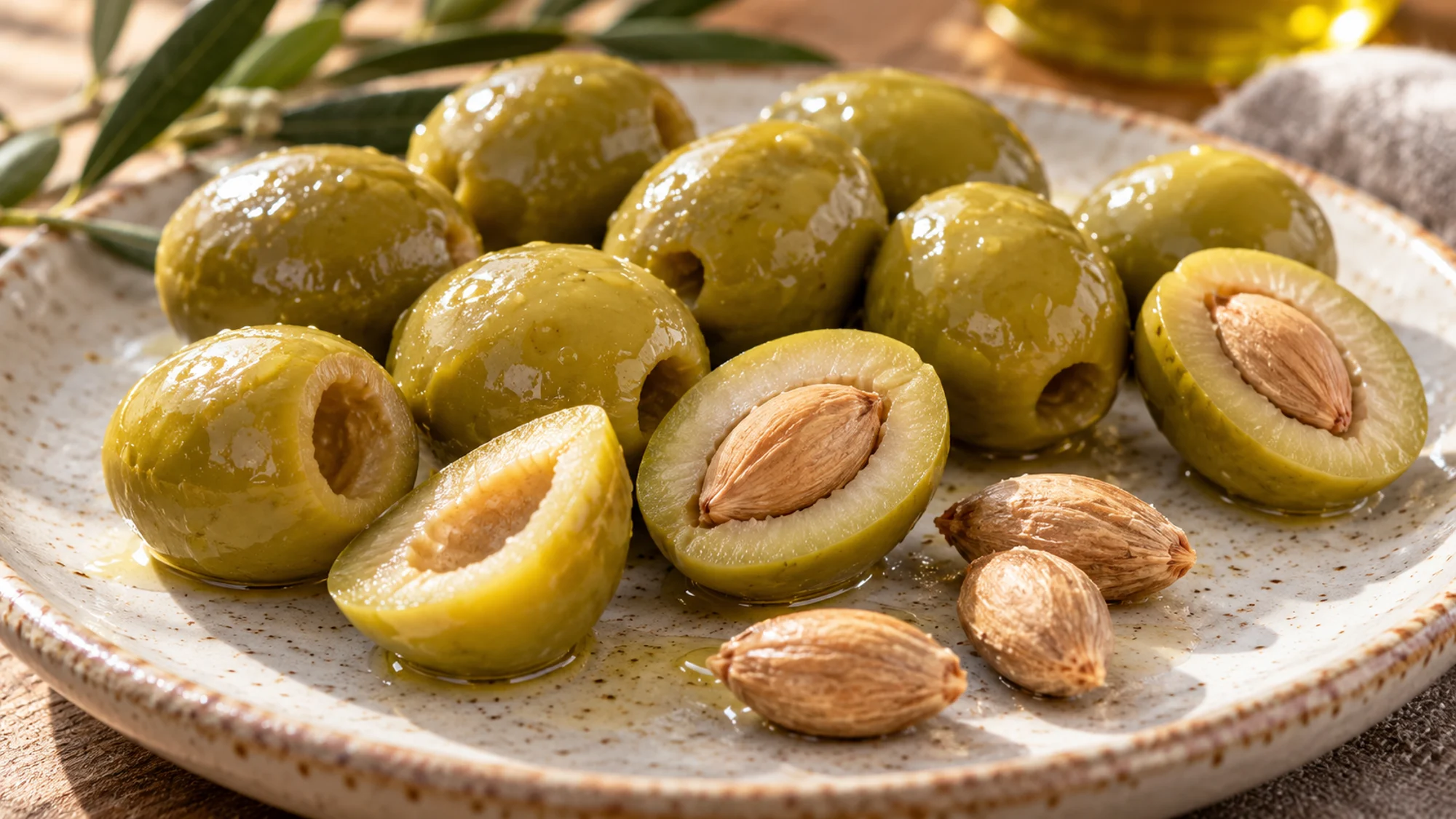
No. Olives are fleshy fruits with a hard central stone. The International Olive Council defines virgin olive oils by their extraction from olive fruit using mechanical or physical methods. The presence of a pit does not mean the familiar cooking oil is classified as oil extracted from a separate crop of seeds.
The UC Davis Olive Center’s packaging review likewise describes extra virgin olive oil as extracted from olive fruits. That origin answers the naming question; it does not by itself tell you whether a particular bottle is fresh, flavorful or the right choice for dinner.
- Source: The plant material from which an oil comes.
- Processing: How that material becomes the oil in the bottle.
- Grade: A quality category, not a change in the plant source.
- Ingredients: The place to check whether more than one kind of oil is present.
Extra Virgin and Refined Are Different Questions
Extra virgin olive oil is a virgin grade; refining is a separate processing step. The International Olive Council describes ordinary “olive oil” as a blend of refined olive oil and virgin olive oils. That blend is still different from a mixed cooking oil containing olive oil plus another plant oil.
| Label or term | What it tells you | What to check next |
|---|---|---|
| Extra virgin olive oil | A virgin olive-oil grade | Freshness, flavor and storage conditions. |
| Olive oil | May combine refined and virgin olive oils | The full designation and ingredients. |
| Light-tasting olive oil | A milder flavor description | Do not assume it means fewer calories. |
| Oil blend containing olive oil | More than one oil may be included | Read each named oil in the ingredient list. |
| Olive-pomace oil | A separate category made from extraction residue | Do not confuse it with extra virgin olive oil. |
The UC Davis Olive Center’s myth guide explains that “light” refers to a refined oil’s reduced flavor, aroma and color, not a reduced-calorie food. It also cautions against judging an oil’s quality just from its appearance.
A Category Is Not a Health Verdict
It is not necessary to turn “fruit oil” and “seed oil” into opposing teams. The American Heart Association’s cooking-oil guidance includes olive oil alongside canola, sunflower, soybean and other nontropical liquid oils as options for replacing fats higher in saturated fat.
That advice concerns the overall fat choice and what it replaces, not a promise that any one bottle prevents disease. Olive oil can be a useful kitchen ingredient without making every other oil suspect. The amount used, the rest of the meal and your individual needs still matter.
- Read a nutrition label when you want to compare fat composition rather than relying on a slogan.
- Use a strongly flavored oil where you want its taste; choose a milder option when that better suits the food.
- If a health condition requires a specific eating plan, follow that plan instead of a broad internet rule about oils.
Choose for the Meal and Protect the Flavor
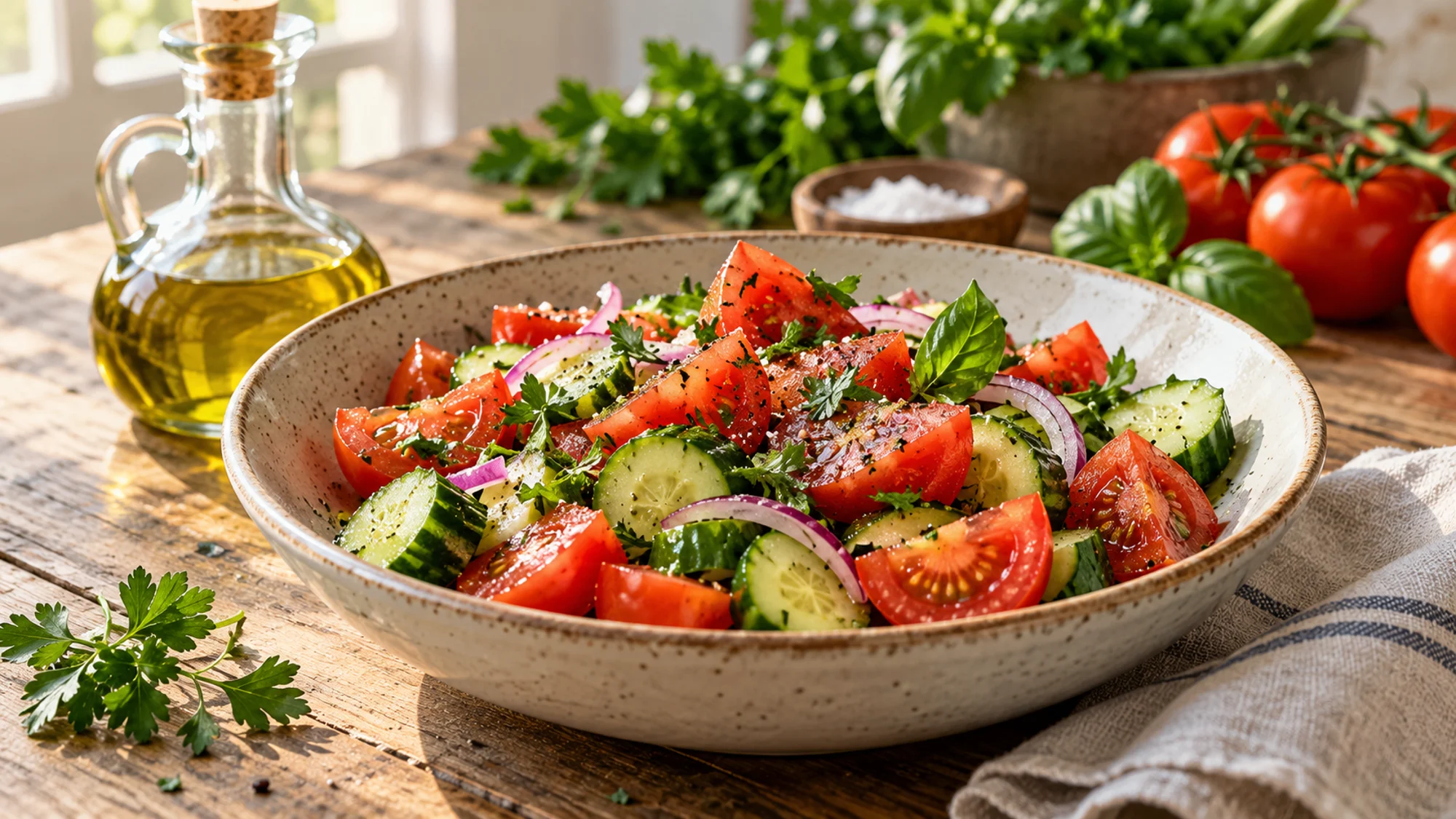
A peppery or grassy extra virgin oil can be appealing on a salad, while a gentler oil may suit a dish where you want other ingredients to lead. I prefer treating those differences as cooking decisions. There is no prize for overwhelming a delicate meal with the boldest bottle.
- Use olive oil in dressings or to finish cooked vegetables when you want to notice its flavor.
- For cooking, control the heat; do not leave an empty oiled pan heating unattended or deliberately take oil past smoking.
- Store the bottle closed, away from heat and bright light, rather than beside a hot burner.
- Buy an amount you can use while it is fresh instead of assuming the biggest container is always the best value.
UC Davis explains that freshness declines with time and that exposure to light and air affects quality. For a simple use, the chickpea cucumber salad combines olive oil with lemon juice; the oil is part of a dressing, not a health claim poured over the bowl.
Bottom Line
Olive oil comes from olive fruit. After that straightforward answer, make the useful checks: read the ingredients, understand the grade, choose a flavor that suits the dish and store the bottle well.
The Olive Truck Mobile Mill video below, linked by the UC Davis Olive Center, shows olive processing. It is a visual production example, not an independent endorsement of a particular oil.