
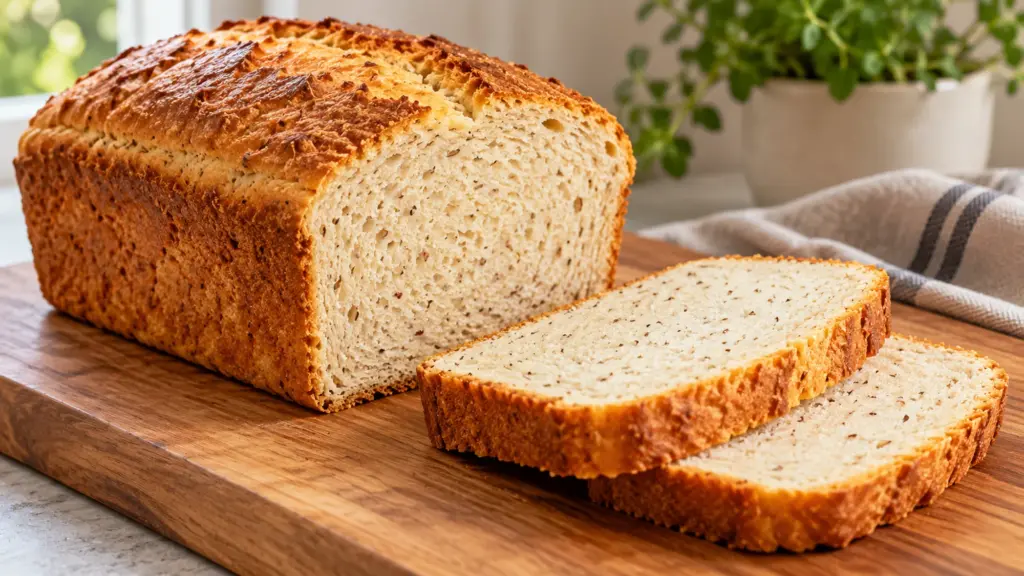
A loaf can look promising in its bag and behave very differently once you build a sandwich. With gluten-free bread, the shopping decision has several layers: the gluten claim, other allergens, the texture you want and what happens when the slices reach your kitchen.
Gluten free bread is formulated to meet gluten-free requirements rather than relying on ordinary wheat, rye or barley flour. Check the actual label, compare nutrition per serving and protect the bread from gluten cross-contact during storage and preparation.
I’d begin with the job the bread needs to do. Soft sandwich slices, sturdy toast and a loaf for a warm meal are not identical goals. A bread you enjoy using is a better starting point than a promise that one loaf will suit everyone.
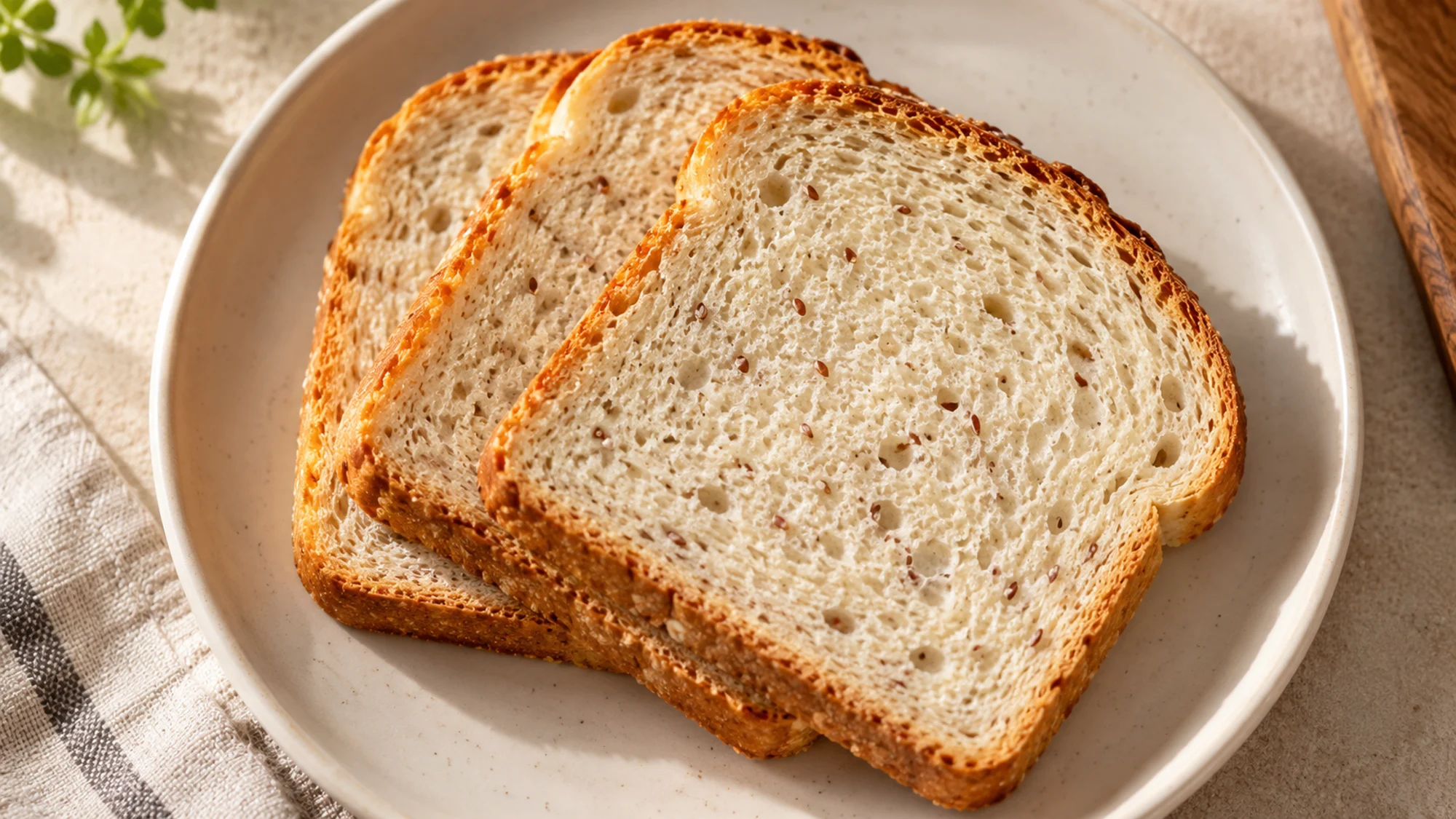
What Does the Gluten Free Bread Label Mean?
For FDA-regulated packaged foods in the United States, a gluten-free claim has specific requirements. The FDA’s labeling questions and answers explains the ingredient restrictions and the requirement for unavoidable gluten to remain below 20 parts per million. The claim does not mean that every allergen is absent.
Wheat-free and gluten-free are not synonyms. A wheat-free product may still contain barley or rye, while some gluten-free breads use specially processed wheat starch that meets gluten-free requirements. Someone with a wheat allergy must check the wheat information and follow their allergy guidance, rather than relying on the gluten-free claim alone.
- Check the full ingredient list and allergen information for milk, eggs, soy, sesame, nuts or other ingredients you need to avoid.
- Treat a bakery’s verbal assurance as the start of a conversation about ingredients and handling, not the whole answer.
- Ordinary wheat sourdough is not made gluten-free simply by fermentation.
- If you are investigating possible celiac disease, discuss testing before changing your diet; avoiding gluten first can affect test results.
Why One Loaf Feels Different From Another
Gluten-free bakers use different flour and starch blends, along with ingredients that help hold the bread together. King Arthur’s beginner’s baking guide explains why its gluten-free flours have different roles and why xanthan gum and specially formulated blends matter. A bag labeled gluten-free is not automatically an interchangeable substitute in every bread recipe.
| Your goal | What to look for | Useful check |
|---|---|---|
| A packed sandwich | Slices that bend without breaking apart | Try the bread in the way you will actually serve it. |
| Toast | A texture and slice size you enjoy toasted | Use preparation equipment protected from gluten cross-contact. |
| More fiber | A meaningful fiber amount on the label | Compare equivalent serving weights, not just slice counts. |
| A home-baked loaf | A recipe developed for the chosen gluten-free flour | Follow the specified blend rather than swapping casually. |
| Less waste | A loaf size and storage plan that fit your household | Read opening, freezing and thawing instructions. |
I would try one loaf before filling the freezer. Texture preferences are personal, and a bread that makes satisfying toast may not be your favorite for a cold sandwich. That is useful information, not a failed purchase.
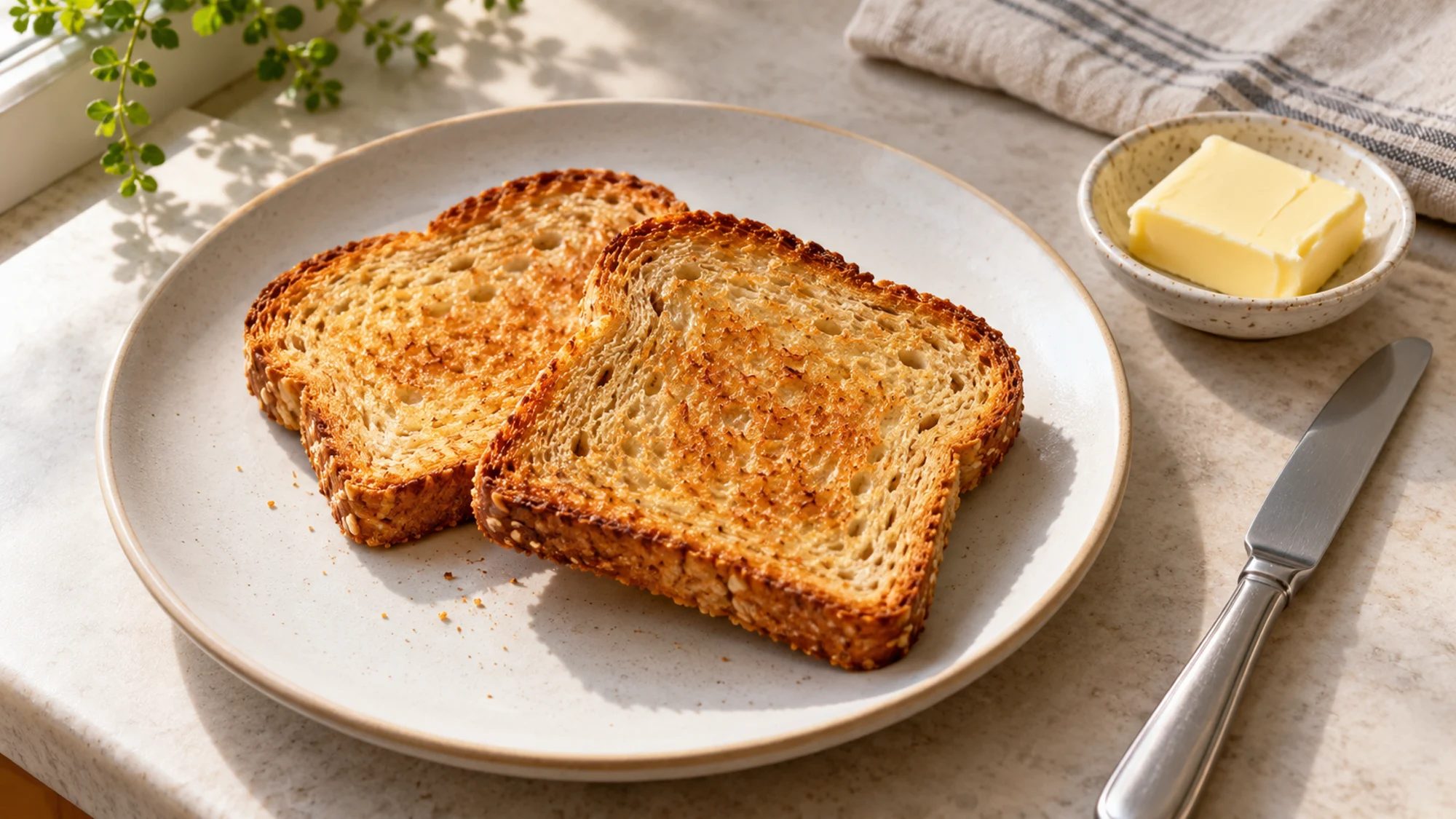
Compare the Nutrition, Not Just the Front of the Bag
The NIDDK’s celiac nutrition guidance notes that a gluten-free diet needs attention to nutritional balance. It also cautions that some packaged gluten-free foods contain more fat or sugar than comparable foods containing gluten. That is a reason to compare products, not a rule that all gluten-free bread is nutritionally poor.
- Compare fiber, protein, sodium and added sugars using the portions you actually eat.
- Notice the weight of a serving: two small slices and two large slices are not a like-for-like comparison.
- Check for whole-grain ingredients and fortification rather than assuming the gluten-free claim covers them.
- Build the sandwich or meal with foods that meet your needs; bread does not have to supply every nutrient on its own.
If gluten avoidance is medically necessary, the goal is a satisfying, balanced version of that diet—not finding a reason to abandon it. A registered dietitian can help with persistent questions about adequacy or multiple restrictions.
Keep the Bread Separate From the Crumbs
Cross-contact can happen after a suitable loaf leaves its package. The Celiac Disease Foundation identifies shared toasters, cutting boards and crumb-contaminated spreads as places to consider. Set up a practical routine that protects the bread rather than assuming a quick shake removes every concern.
- Use a dedicated gluten-free toaster or another preparation method consistent with your care team’s advice.
- Keep the cutting surface and utensils clean, and avoid double-dipping a knife carrying regular bread crumbs into a shared spread.
- Store the loaf covered and clearly identified; keep its packaging so ingredients remain available.
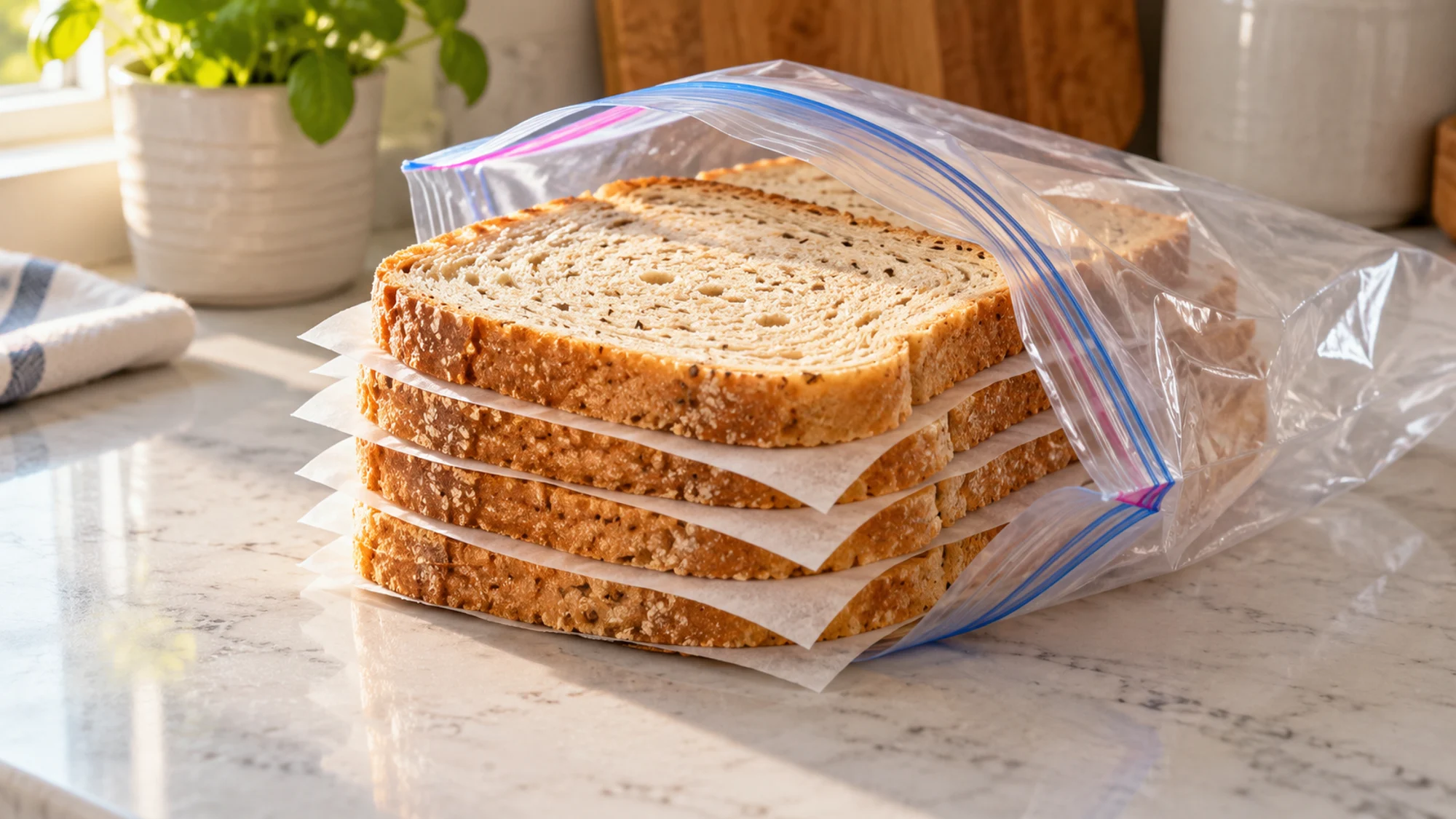
- For longer keeping, follow the product’s freezing directions. Separating slices before freezing can make individual portions easier to take out.
For home-baked bread, King Arthur’s freezing guidance emphasizes airtight wrapping and cooling bread before freezing. Storage needs vary by loaf, so the package or specific recipe is more useful than a universal countertop deadline.
Bottom Line
Choose gluten-free bread by its actual label and the way you plan to eat it. Compare nutrition thoughtfully, check other allergens separately and make cross-contact precautions part of the serving routine.
King Arthur’s video below demonstrates one gluten-free bread formula. It uses its gluten-free bread flour, which contains wheat starch, plus milk, butter and egg; it is not an allergy-free recipe or a universal formula for every flour blend.