

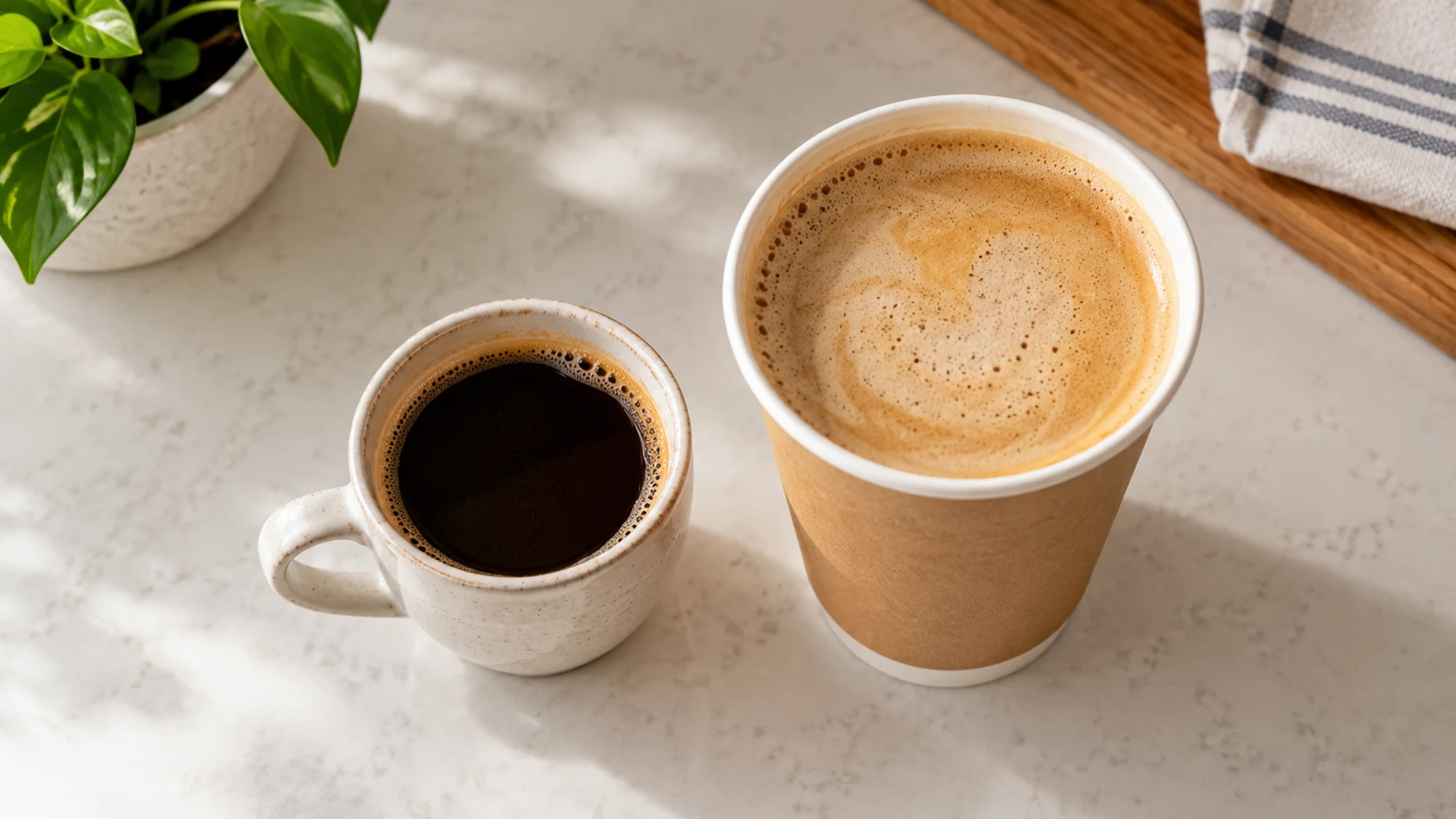
The mug on your desk may hold a very different drink from the little cup beside the espresso machine. When you ask, “is coffee bad for you,” that difference matters more than the number of cups you remember drinking.
For many adults, coffee can fit into everyday eating. The better question is whether your caffeine amount, timing and usual additions work for you—not whether coffee deserves a blanket good-or-bad label.
I’d start with the drink you actually order, not an idealized black coffee in a nutrition chart. A large refill, an extra espresso shot and an afternoon energy drink all belong in the same conversation.
Is Coffee Bad for You at Your Usual Amount?
The FDA cites 400 milligrams of caffeine per day as an amount not generally associated with negative effects for most adults. That is a reference point, not a target, a guarantee of comfort or advice for children. Individual sensitivity, medicines and medical conditions can change what is appropriate.
Count caffeine from the whole day rather than coffee alone. The same mug can hold different amounts depending on the coffee and brewing method; a shop’s published nutrition information is more useful than guessing from the cup’s appearance.
| What to check | Why it helps | A practical next step |
|---|---|---|
| Drink size | A cup is not a standard serving in everyday use | Check fluid ounces or milliliters on the menu. |
| Caffeine amount | Different drinks can look similar | Use the brand or café’s information when available. |
| Other sources | Tea, energy drinks and some medicines add caffeine | Include them in your daily total. |
| Your response | A general reference is not a personal comfort level | Notice sleep, jitters and stomach discomfort. |
Sleep Can Be the More Useful Clue
In the CRAVE randomized trial, 100 adults alternated between days assigned to caffeinated coffee and caffeine avoidance over 14 days. Coffee days were associated with about 36 fewer minutes of sleep on average. This small, short study does not predict exactly what your afternoon latte will do, but it gives a reason to pay attention to timing.
Feeling alert at bedtime and sleeping well are not the same thing. Rather than imposing one universal cutoff hour, consider whether a later cup coincides with difficulty settling down or shorter sleep.
- Change one thing: Move the last coffee earlier, or replace that serving with decaf, so the experiment is easier to interpret.
- Keep the rest recognizable: A new bedtime, new work schedule and new coffee routine all at once make comparisons muddy.
- Write down the basics: Note the drink, approximate time and how the night went. This is a personal observation, not a diagnosis.
Regular, Decaf and the Extras in the Cup
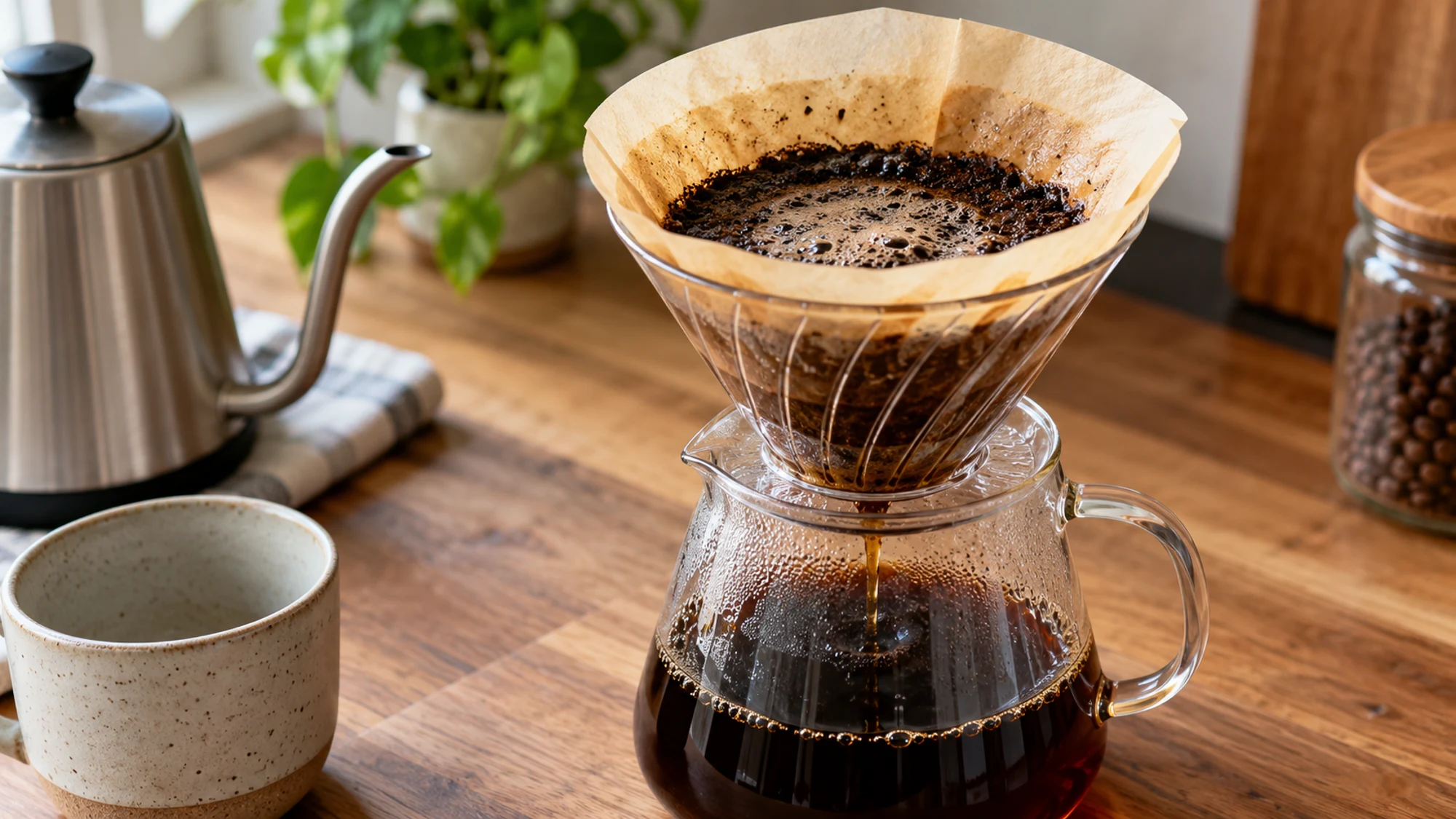
Decaf is a useful option when you enjoy coffee’s roasted flavor but want less caffeine. It is not necessarily caffeine-free: the FDA reports that an 8-fluid-ounce decaf coffee typically contains 2–15 milligrams. Check the particular product if you need a tighter limit.
Milk, cream, sugar and syrups are separate ingredients, not invisible parts of the mug. I prefer thinking of them as adjustable choices rather than declaring every flavored coffee off limits. You can keep a drink enjoyable while deciding which extras you genuinely want.
- For a café order: Look at the listed serving size before comparing drinks; a smaller drink with fewer add-ins may fit your preference better.
- For home coffee: Measure your usual milk or sweetener once. Knowing the amount is more useful than calling it “just a splash.”
- For a gradual change: Try a smaller serving or a regular–decaf blend rather than assuming the only choices are unlimited coffee or none.
When the General Advice Does Not Fit
Pregnancy calls for a different caffeine conversation. ACOG describes moderate intake as less than 200 milligrams daily; discuss your circumstances with your prenatal clinician rather than using the general adult reference. Include noncoffee caffeine sources, too.
Persistent palpitations, troublesome anxiety, stomach symptoms or poor sleep deserve attention rather than another refill to push through the day. A pharmacist or clinician can also help check whether caffeine matters for your medicines or existing conditions.
- If you are comfortable with your current intake, there is no need to increase it in pursuit of a health headline.
- If you want to cut back, gradual reductions can make the change easier; the FDA notes that abrupt withdrawal can be unpleasant.
- Coffee is optional. Not enjoying it is already a perfectly good reason to choose another drink.
Bottom Line
Start with your actual serving, total daily caffeine and sleep. Keep coffee if you enjoy it and it suits you; choose less or decaf when that works better. A headline cannot choose your comfortable amount.
The Mayo Clinic video below offers background on coffee research. Its discussion of possible long-term benefits should not be read as proof that starting coffee prevents disease, or as a reason to ignore unwanted effects.