
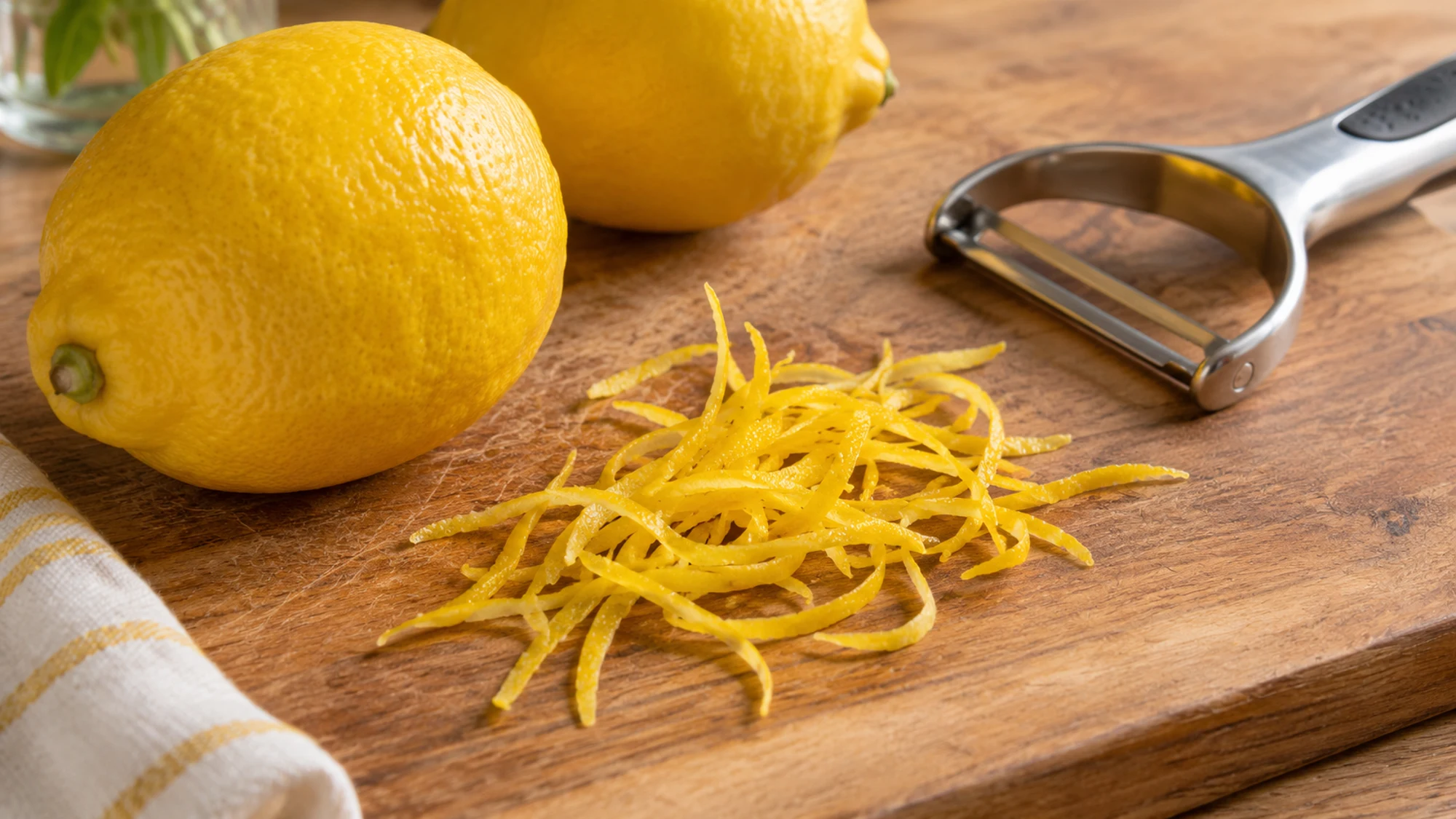
The best moment in preparing limoncello may happen before the jar is even closed: a thin strip of lemon peel releases its fragrance as it curls away from the fruit. That yellow outer layer is the ingredient to keep. A thick strip of bitter white pith adds something rather less welcome.
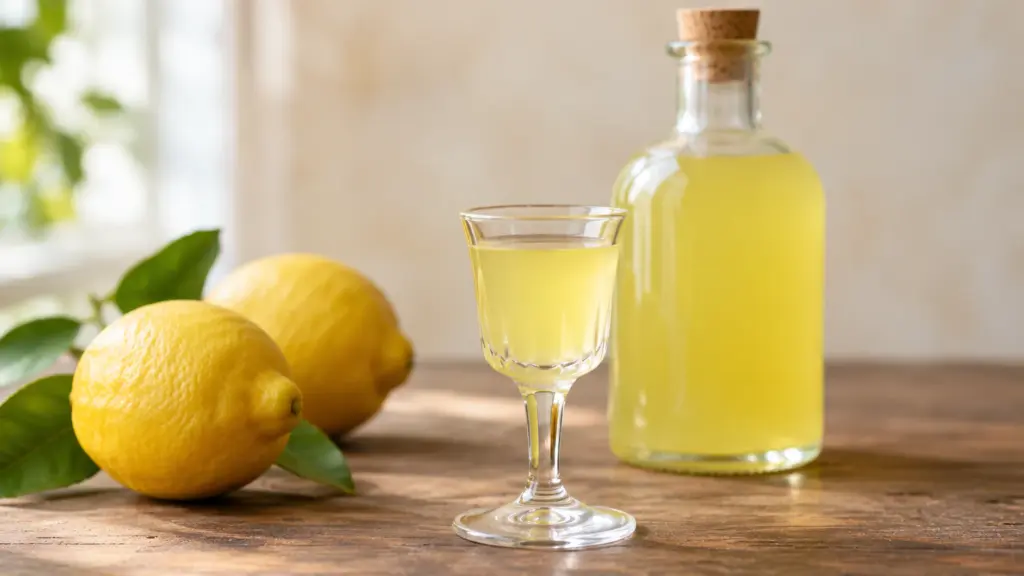
This limoncello uses commercial 40% ABV vodka infused with thin lemon peels, then blended with completely cooled sugar syrup. Plan for a two-week infusion and refrigerator chilling; this is an alcoholic liqueur, not lemonade.
I would spend more care on peeling than on finding a decorative bottle. A clean jar, sound lemons and a clearly labeled spirit are the useful starting points. Save the peeled fruit for another recipe rather than squeezing juice into a preparation designed around the peel.
Serving Suggestions for Limoncello
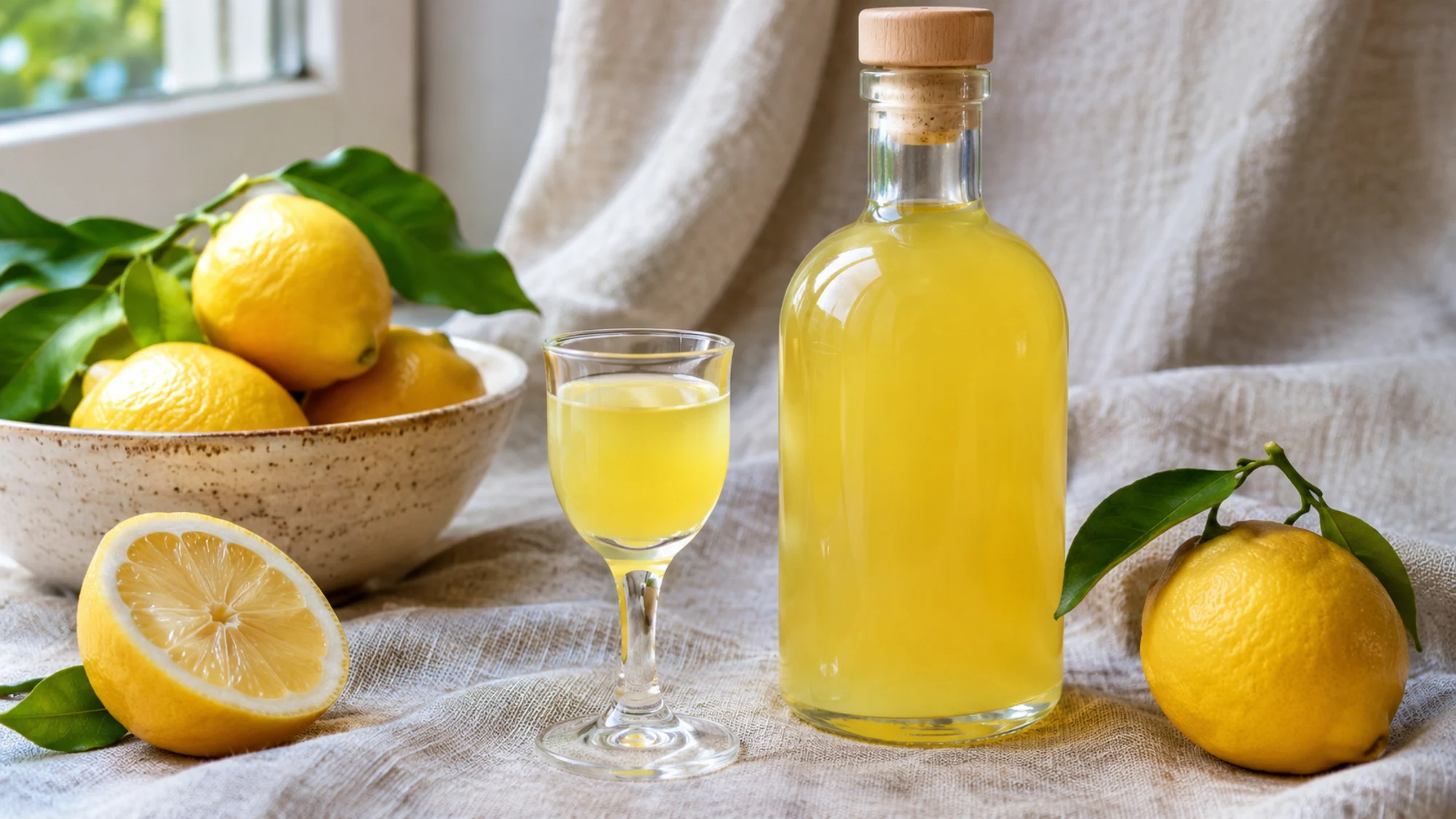
Serve small portions well chilled, in glasses that make the amount easy to see. Limoncello is sweet and fragrant, but that does not make the alcohol disappear. Offer an alcohol-free option at the same time so nobody has to explain why they are passing.
- Pour a small chilled serving for adults of legal drinking age who choose to drink. Keep the bottle labeled and separate from juice or other nonalcoholic drinks.
- A small drizzle can flavor an adult dessert, but identify the alcohol clearly before serving. Adding it to ice cream does not make it suitable for children or people avoiding alcohol.
- If using it in a cocktail, follow a measured recipe rather than topping up by eye. The rest of the drink may contain additional spirits.
- For gifts, use a clean food-safe bottle with an ingredient list, preparation date and clear alcohol label. A pretty bottle is not a substitute for that information.
For a lemon-flavored dinner without this liqueur, our frozen lemon pasta uses grated peel in a savory sauce. It is a useful reminder that the fragrant outer peel has plenty of uses beyond a drink, and that the peeled lemons need not be wasted.
Keep the serving small, the bottle clearly labeled and an alcohol-free choice available. Chilling improves the serving experience; it does not change who should avoid the drink.
Limoncello Variations: Respect the Spirit Strength
Recipes made with high-proof grain alcohol are not direct templates for a vodka batch. Their dilution changes are part of the formula. I prefer keeping this version tied to its stated 40% ABV vodka instead of mixing the water and sugar amounts from several different recipes.
| Choice | What changes | Useful caution |
|---|---|---|
| Thin yellow peel | Fragrant lemon character | Trim away thick white pith |
| More sugar syrup | Sweeter, more diluted drink | Not the same finished strength |
| High-proof alcohol | Different extraction and dilution | Use a recipe written for that spirit |
| Lemon juice | Adds sourness and more water | Not part of this peel-based formula |
The Good Food vodka-based limoncello method offers another example of peel infusion followed by sweetening. The measured batch here uses its own proportions. The Vincenzo’s Plate video in the card demonstrates the same broad idea with higher-proof alcohol, so its quantities should not replace this card’s directions.
- Wash the lemons under running water and dry them before peeling. Choose fruit without damaged or moldy areas.
- Keep the infusion in a tightly closed clean jar, away from heat and direct sunlight. Label the start date so two weeks does not turn into a guessing game.
- Cool the sugar syrup fully before mixing it with the strained vodka. There is no reason to heat the alcohol.
- Store this finished vodka-based version in the refrigerator. Do not assume it will stay liquid in a freezer simply because another limoncello recipe does.
Follow one formula from peel to bottle. Spirit strength, water and sugar belong to the same calculation, not to separate interchangeable suggestions.
Health Benefits: A Liqueur, Not a Lemon Remedy
Lemon fragrance does not turn limoncello into a health drink. It contains alcohol and added sugar, and the peel is strained out. There is no nutritional reason to begin drinking it, and a serving after dinner should not be presented as a treatment for digestion.
- Avoid alcohol during pregnancy. NIAAA states that there is no known safe amount during pregnancy.
- Do not serve it to children, people who avoid alcohol, or anyone for whom alcohol conflicts with medication or medical advice. Ask a pharmacist or clinician about individual concerns.
- Keep preparation and storage away from flames and children. Use beverage vodka only—never rubbing alcohol or denatured alcohol.
A homemade batch is not laboratory-tested for its final alcohol concentration. Sugar, water and the actual finished volume all affect the result. Label it honestly as an alcoholic liqueur rather than assigning a precise strength that has not been measured.
Treat limoncello as an optional alcoholic drink for suitable adults, not a wellness habit. Clear labeling and a comfortable way to decline are part of thoughtful serving.
Bottom Line
Thin peel, a patient infusion and cooled syrup give this vodka-based limoncello its clear direction. Keep the formula consistent, refrigerate the finished bottle and serve small, clearly identified portions.
Limoncello Recipe

Ingredients
- 6 lemons washed and dried; yellow peel only
- 750 ml vodka 40% ABV, commercially produced
- 200 g granulated sugar
- 250 ml water
Equipment
- Vegetable peeler
- Clean 1.5-liter glass jar with lid
- Small saucepan
- Fine strainer
- Measuring jug
- Funnel
- Clean bottles
Instructions
- Wash the lemons under running water, dry them and peel off thin strips of yellow zest. Trim away any thick white pith. Reserve the peeled fruit for another use; lemon juice is not added to this liqueur.
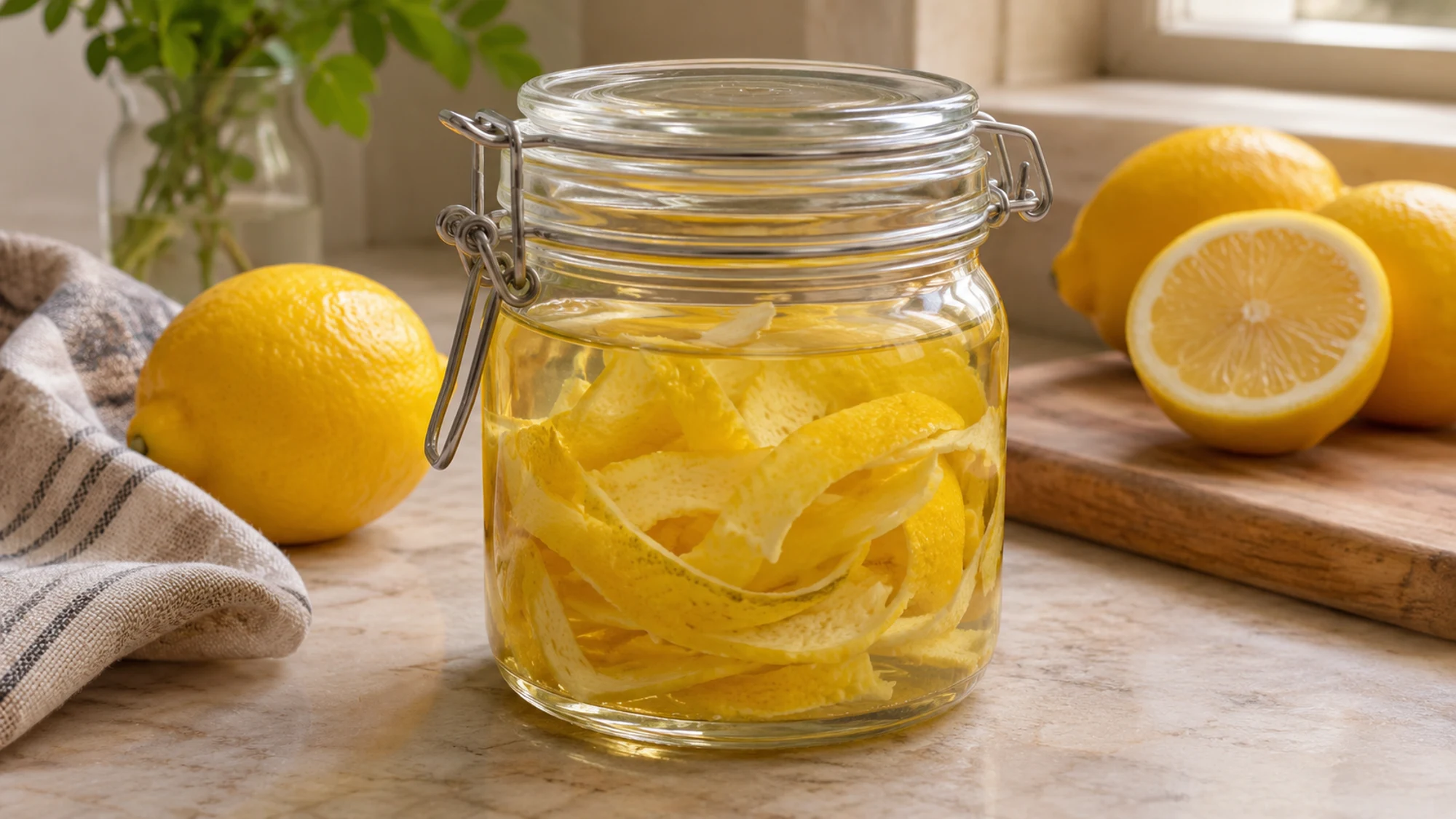
- Place the peels in a clean glass jar and add the vodka. Close tightly, label and leave in a cool, dark place for 14 days, gently turning the closed jar once a day. Keep it away from heat, flames and children.
- Combine the sugar and water in a small saucepan. Warm gently, stirring, until the sugar dissolves. Remove from the heat and let the syrup cool completely. Do not heat the vodka.
- Strain the lemon infusion through a fine strainer into a clean measuring jug. Discard the peels. Stir in the cooled sugar syrup.
- Transfer to clean bottles, label as alcoholic limoncello with the preparation date and refrigerate. Chill thoroughly before serving small portions. The final yield is approximately 1.1 liters; it is not a measured alcohol-strength test.