
Two bottles can sit beside each other in a store’s gluten-free section and make very different claims. One says gluten-free; another says it was crafted to remove gluten. That small wording difference deserves a closer look before you choose a drink.
Gluten free beer and gluten-removed beer are not interchangeable. For someone avoiding gluten because of celiac disease, look for beer made with gluten-free ingredients and an appropriate gluten-free claim, rather than assuming a treated barley beer offers the same assurance.
I’d resolve that distinction before comparing bitterness, color or price. This guide focuses on US labeling and practical questions to ask; wording and rules can differ in other countries. It is for adults who already choose to drink, not a reason to start.
What Goes Into Gluten Free Beer?
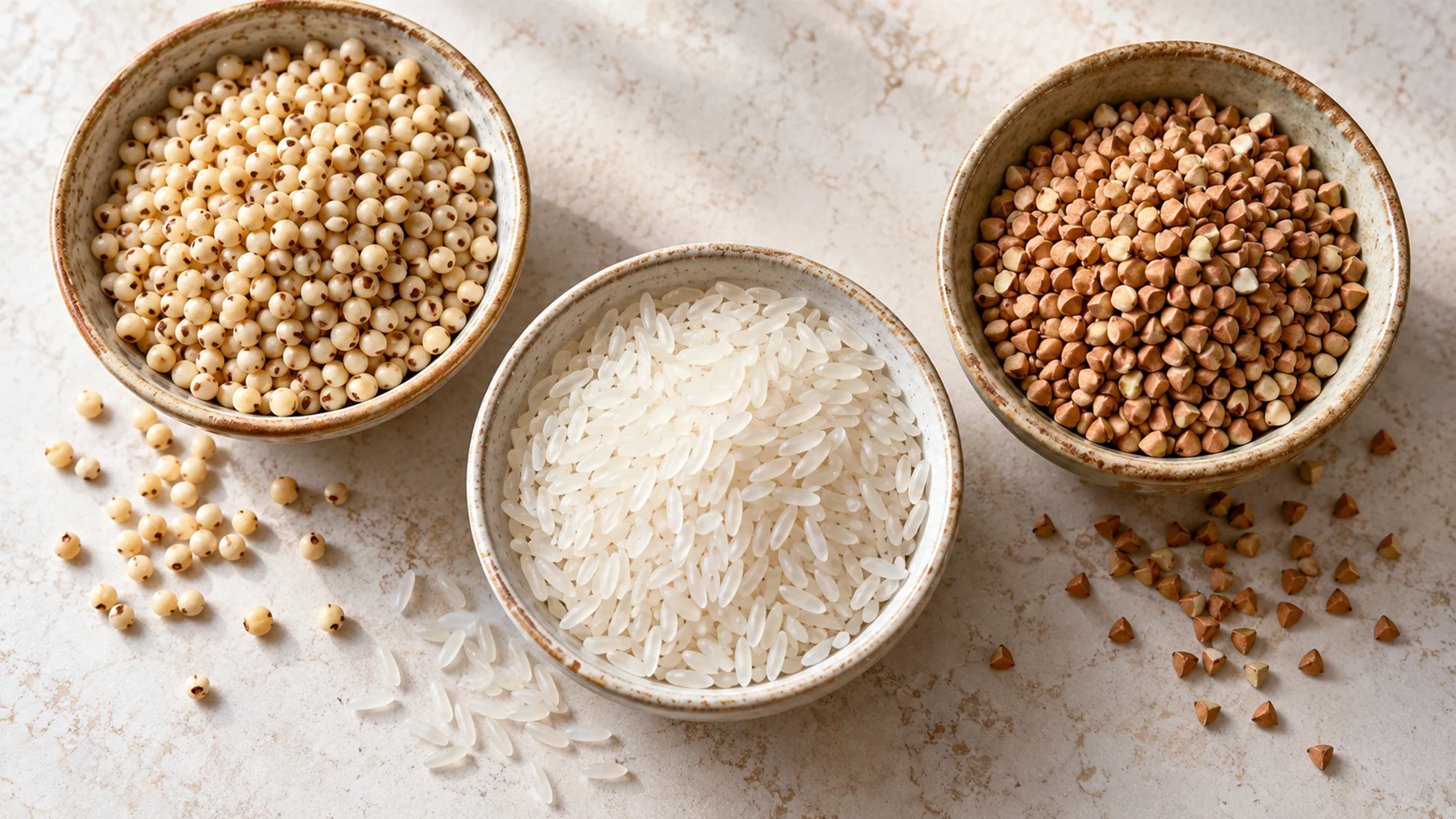
Conventional beer often uses barley, and some styles also use wheat. Both contain gluten. Beyond Celiac’s beer guidance distinguishes those beers from products brewed with naturally gluten-free ingredients, such as sorghum, and advises asking the manufacturer when the gluten content is unclear.
Other brewing grains can include millet, rice and buckwheat. For example, Ghostfish’s own ingredient explanation describes using millet and buckwheat malts, with rice and sorghum in some beers. That is an illustration of how brewers build different recipes, not a guarantee about every product using those grains.
- Read the exact product information, not just the brewery’s name or a shelf sign.
- A mention of rice does not establish that a beer contains no barley; a recipe can include several grains.
- Dark, pale, hoppy and light describe aspects of beer, not verified gluten status.
- Check new purchases even when you recognize the brand, because recipes and product lines can differ.
Why the Words on the Label Matter
Under TTB Ruling 2020-2, qualifying statements about processing a fermented grain beverage to remove gluten are distinct from a gluten-free claim. A treated beer made from gluten-containing grains must carry an appropriate qualification explaining the remaining uncertainty; the phrase should not be read as “no gluten.”
| What you see | What it does not establish | Next step |
|---|---|---|
| Gluten-free claim | That the drink is alcohol-free or right for every allergy | Check the full product and alcohol information. |
| Crafted or processed to remove gluten | The same assurance as beer made gluten-free from the start | Read the qualifying statement; do not treat it as equivalent. |
| Rice beer or wheat-free | Absence of barley or every gluten source | Check the whole recipe and gluten claim. |
| Nonalcoholic beer | That gluten has been removed | Verify gluten status separately. |
The testing issue is important. The FDA’s rule for fermented and hydrolyzed foods addresses proteins broken into fragments that conventional tests cannot adequately quantify. For covered foods, manufacturers need records supporting gluten-free status before fermentation, rather than relying only on a finished-drink test.
Ask About the Drink and How It Is Served
A clear product choice can become less clear at the bar if staff cannot identify the drink or explain its handling. I would rather ask a short, specific question than accept “it should be fine.” A sealed, correctly labeled bottle or can also makes it easier to verify exactly what is being served.
- Ask to see the label or the producer’s current product information.
- Explain that the question concerns gluten, not simply whether the beer is low in wheat.
- Ask about clean glassware and any shared equipment or preparation that could introduce gluten.
- When staff cannot verify a suitable option, choose a different, clearly identified drink rather than guessing.
Beyond Celiac does not consider barley-based gluten-removed beer a suitable substitute for people with celiac disease. Follow your clinician’s or dietitian’s guidance, and do not use an absence of immediate symptoms as a home test of a product’s suitability.
Gluten-Free Is Not a General Health Claim
Removing gluten does not remove alcohol, and a gluten-free label does not promise fewer calories or less sugar. Alcohol content needs its own check. Likewise, a wheat allergy and celiac disease are different concerns; gluten wording alone does not answer every allergy question.
- If you avoid alcohol, look for a drink that meets that need as well as any gluten restriction.
- Do not drink before driving, and avoid alcohol during pregnancy.
- For medication interactions or a condition that affects whether alcohol is appropriate, ask your clinician or pharmacist.
- When hosting, keep packaging available and offer an alcohol-free alternative without making guests explain their choice.
Bottom Line
Start with the exact gluten claim and ingredients, then check serving practices and alcohol content separately. Gluten-removed barley beer is not a shortcut to the same assurance as a beer brewed to be gluten-free.
Mayo Clinic’s short video below explains why gluten questions deserve individual medical context. It is general background, not a test or endorsement of any beer.