
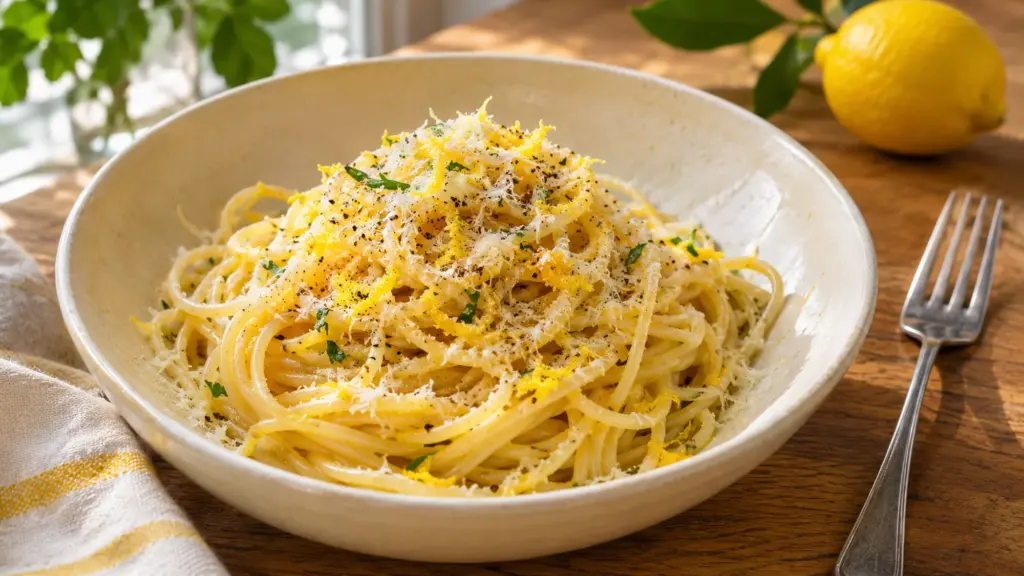
A frozen lemon sounds like an odd starting point for a warm bowl of spaghetti. Here, it is a convenient way to grate a little fragrant peel straight into a light Parmesan sauce—not a reason to freeze the pasta. The useful trick is restraint: start with the yellow outside of the lemon and taste before adding more.
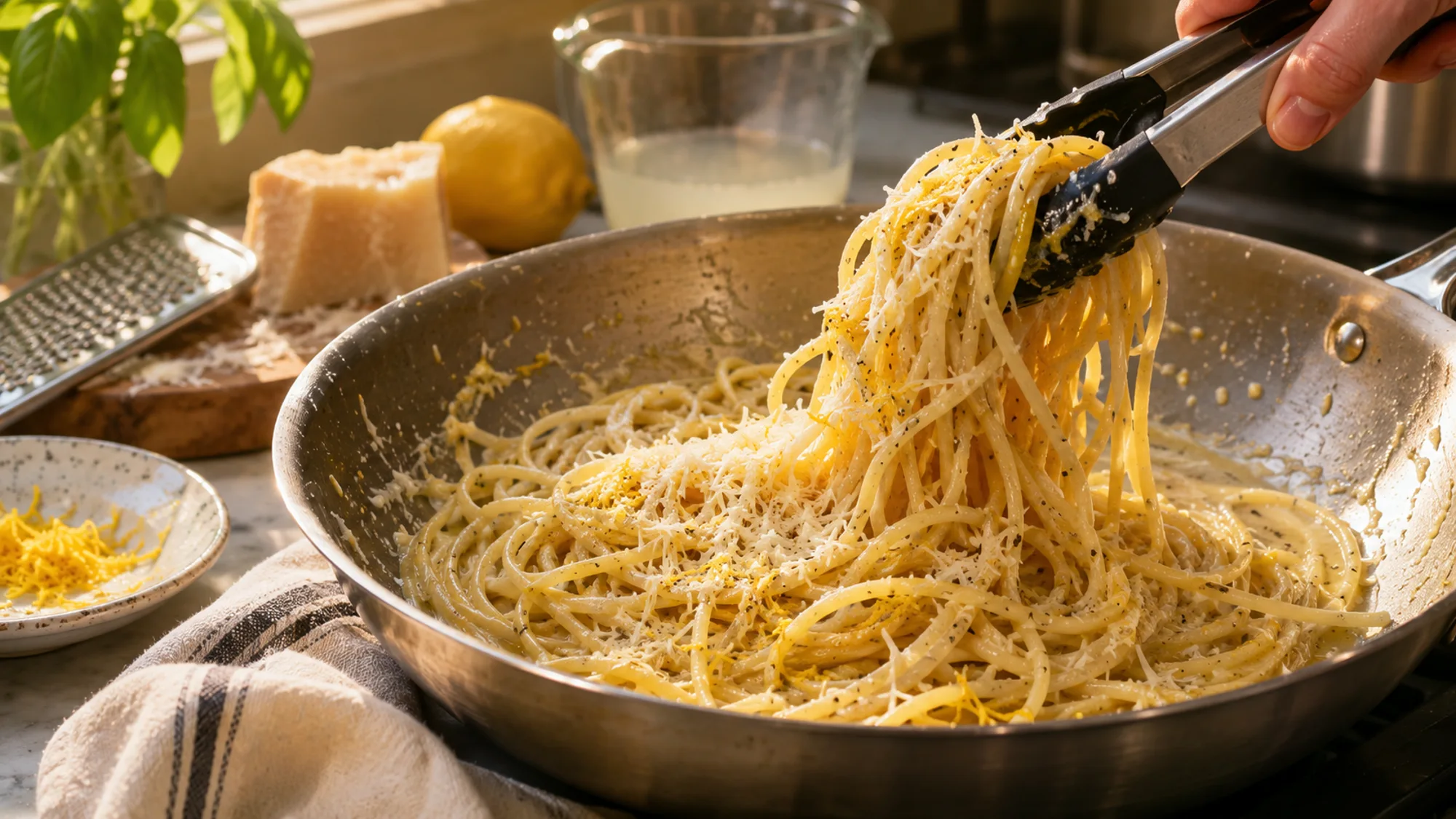
For frozen lemon pasta, toss hot spaghetti with olive oil and a splash of its cooking water, then add finely grated Parmesan and frozen lemon peel off the heat. You get bright citrus flavor without needing cream or a whole lemon’s worth of bitter pith.
I prefer this as a small, focused recipe for two rather than a fridge-clearing pasta. With so few flavors in the pan, finely grated cheese and a careful hand with the lemon make more difference than an elaborate garnish. Freeze the clean lemon ahead; the cooking itself then fits around the pasta’s package timing.
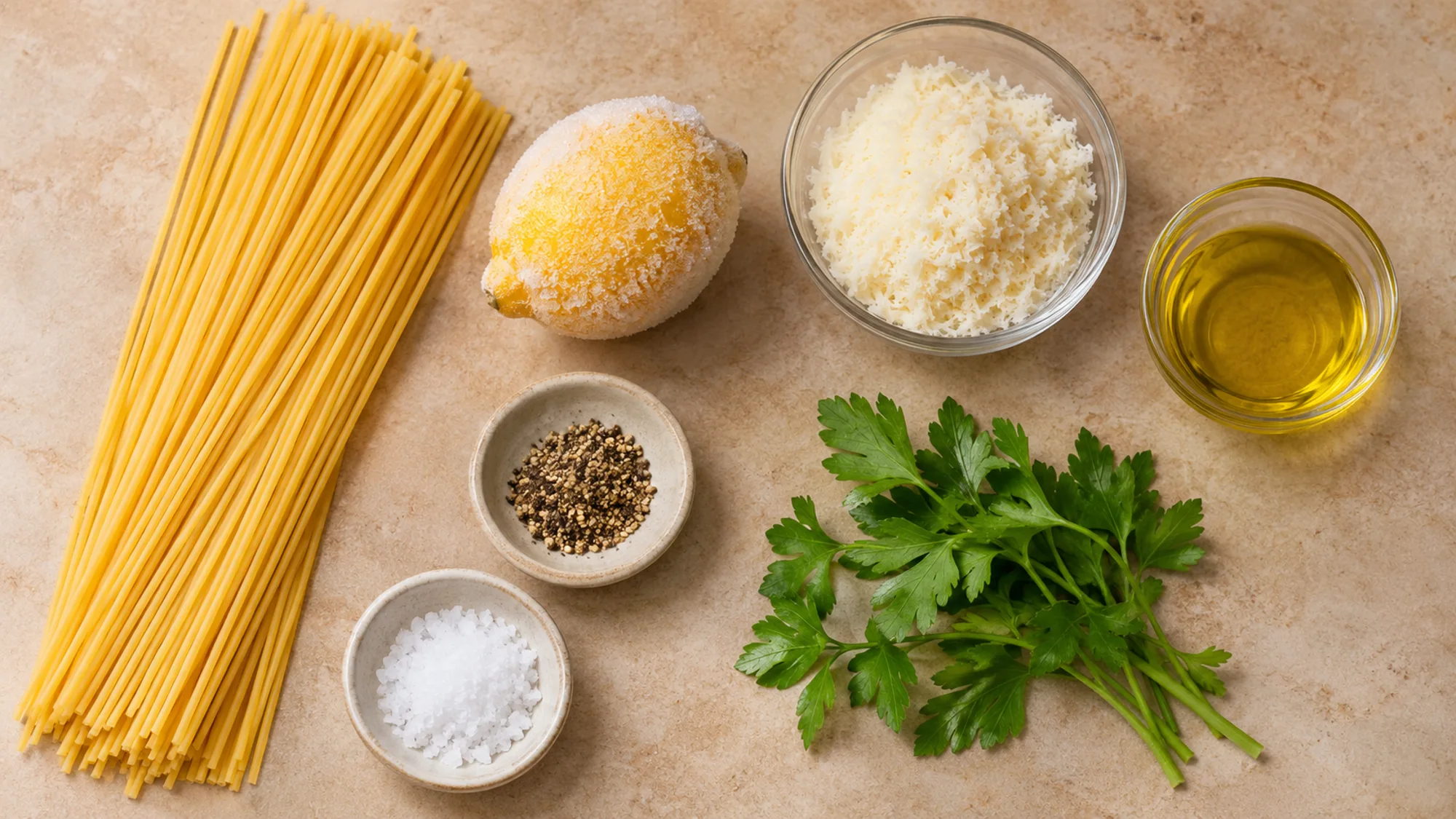
Serving Suggestions for Frozen Lemon Pasta
Have your plates and side dish ready before the spaghetti finishes. This sauce is at its best when it still moves easily between the strands; a long wait turns that light coating into something thicker. Save more pasta water than you think you need so a final spoonful can loosen the bowl.
- Keep the side simple: a crisp green salad or steamed vegetables adds a different texture without another rich sauce competing with the lemon.
- Make a larger meal: serve the pasta beside cooked chicken, fish or white beans. Keep those additions separate if you want to judge the lemon seasoning first.
- Warm the plates: a briefly warmed bowl helps keep the pasta pleasant while you sit down. It need not be hot enough to handle with a towel.
- Choose another pasta mood: our baked feta pasta offers a tomato-rich, oven-roasted alternative rather than another version of the same sauce.
Toss, taste and serve in that order. If the noodles look dry, add a little reserved water before reaching for more oil; the goal is a loose coating, not a puddle underneath.
Frozen Lemon Pasta Variations
The frozen fruit is a flavor tool, not an instruction to grate it all. The yellow peel brings citrus aroma; a thick layer of white pith can overwhelm a mild sauce. I’d rather keep part of the lemon for another meal than turn a balanced dinner into an endurance test.
| Change | What it does | How to handle it |
|---|---|---|
| Fresh lemon peel | Similar citrus aroma without freezing | Use finely grated yellow zest; start small |
| Pecorino instead of Parmesan | Sharper, saltier finish | Taste before adding salt |
| Whole-wheat spaghetti | Nuttier flavor and firmer bite | Follow its own package timing |
| Basil instead of parsley | More pronounced herbal aroma | Tear and add just before serving |
For a little heat, add a pinch of chile flakes at the table. For more tang, add a small squeeze of fresh lemon juice after tasting; peel and juice do different jobs. Avoid pouring a large amount of juice into the cheese mixture, where it can dominate everything else.
- Grate the cheese finely instead of using thick shreds. Add it gradually with the pan off the heat, tossing as you go.
- If the sauce tightens, use small additions of warm pasta water. If it looks thin, keep tossing briefly before adding more cheese.
- Use the frozen lemon while it is firm and hold it securely. Stop well before your fingertips reach the grater.
Change one strong flavor at a time. More cheese, more lemon and more salt together make it harder to tell which adjustment the pasta actually needed.
Health Benefits and Practical Food Safety
This is pasta with cheese and olive oil, not a detox dish. It supplies a substantial starch portion, with additional fat and some protein from the sauce. Serving vegetables alongside it adds variety without pretending that a dusting of lemon turns dinner into a nutritional shortcut.
- Allergens: ordinary spaghetti contains wheat and Parmesan contains milk. Check every label when adapting the recipe, and use separate utensils where cross-contact matters.
- Wash before freezing: follow the FDA’s produce-cleaning advice: rinse under running water and dry with a clean towel. Do not use soap on the fruit.
- Save leftovers promptly: refrigerate in a shallow covered container within two hours, or one hour above 90°F (32°C). Follow USDA leftover guidance and use within three to four days. Reheat with a little water; the texture will be softer than freshly tossed pasta.
Freezing is preparation, not a cleaning step. Start with a sound, washed lemon, and keep the amount of grated peel modest enough that you can still taste the pasta and cheese.
Bottom Line
Frozen lemon pasta is most useful as a reminder to finish gently: finely grated peel, cheese added off heat, and enough pasta water to keep the strands moving. Freeze the lemon ahead, taste before adding more, and bring the bowl to the table while the sauce is still loose.
Frozen Lemon Pasta Recipe


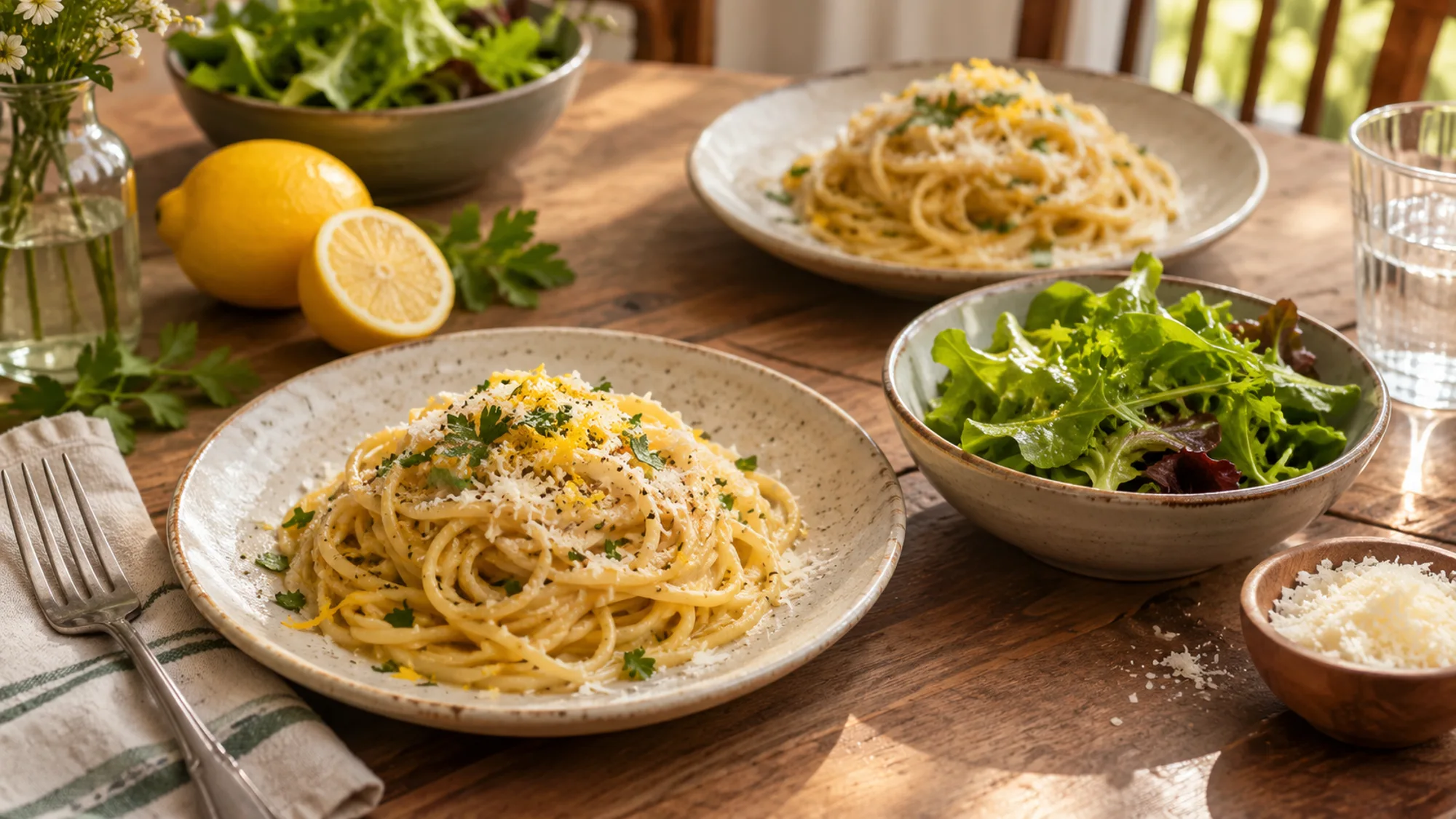
Ingredients
- 8 ounces spaghetti
- 1 lemon washed, dried and frozen; use 2 teaspoons finely grated yellow peel initially
- 2 tablespoons extra-virgin olive oil
- 0.5 cup finely grated Parmesan about 40 g
- 0.25 teaspoon black pepper
- 1 tablespoon chopped parsley
- salt for pasta water and to taste
Equipment
- Large pot
- Wide skillet
- Tongs
- Fine grater
Instructions
- Wash the whole lemon under running water, dry thoroughly, and freeze in a freezer-safe container until firm, about 4 hours or overnight.
- Bring a large pot of water to a boil and salt it. Cook spaghetti according to its package until al dente, usually 10–12 minutes. Reserve 1 cup cooking water before draining.
- Finely grate 2 teaspoons of yellow peel from the frozen lemon, stopping before the thick white pith. Keep fingers away from the grater; return the remaining lemon to the freezer.
- Combine olive oil and 1/4 cup pasta water in a wide skillet over low heat. Add drained spaghetti and toss for 30 seconds. Remove from heat.
- Add Parmesan gradually while tossing, followed by grated lemon and pepper. Add reserved water a tablespoon at a time until the sauce coats the strands. Taste before adding more lemon or salt. Finish with parsley and serve immediately.